When Carnival Barkers Accidentally Invented Every Sale You've Ever Seen
The next time you see a "Limited Time Only!" banner or a "While Supplies Last!" countdown timer, you're witnessing the direct descendants of techniques perfected by 19th-century carnival barkers. Those traveling showmen, dismissed by respectable society as cheap entertainers and con artists, accidentally created the psychological framework that powers nearly every marketing campaign Americans encounter today. From Amazon flash sales to Black Friday madness, the DNA of modern consumer persuasion traces back to dusty circus lots and the desperate need to fill tent seats in small-town America.
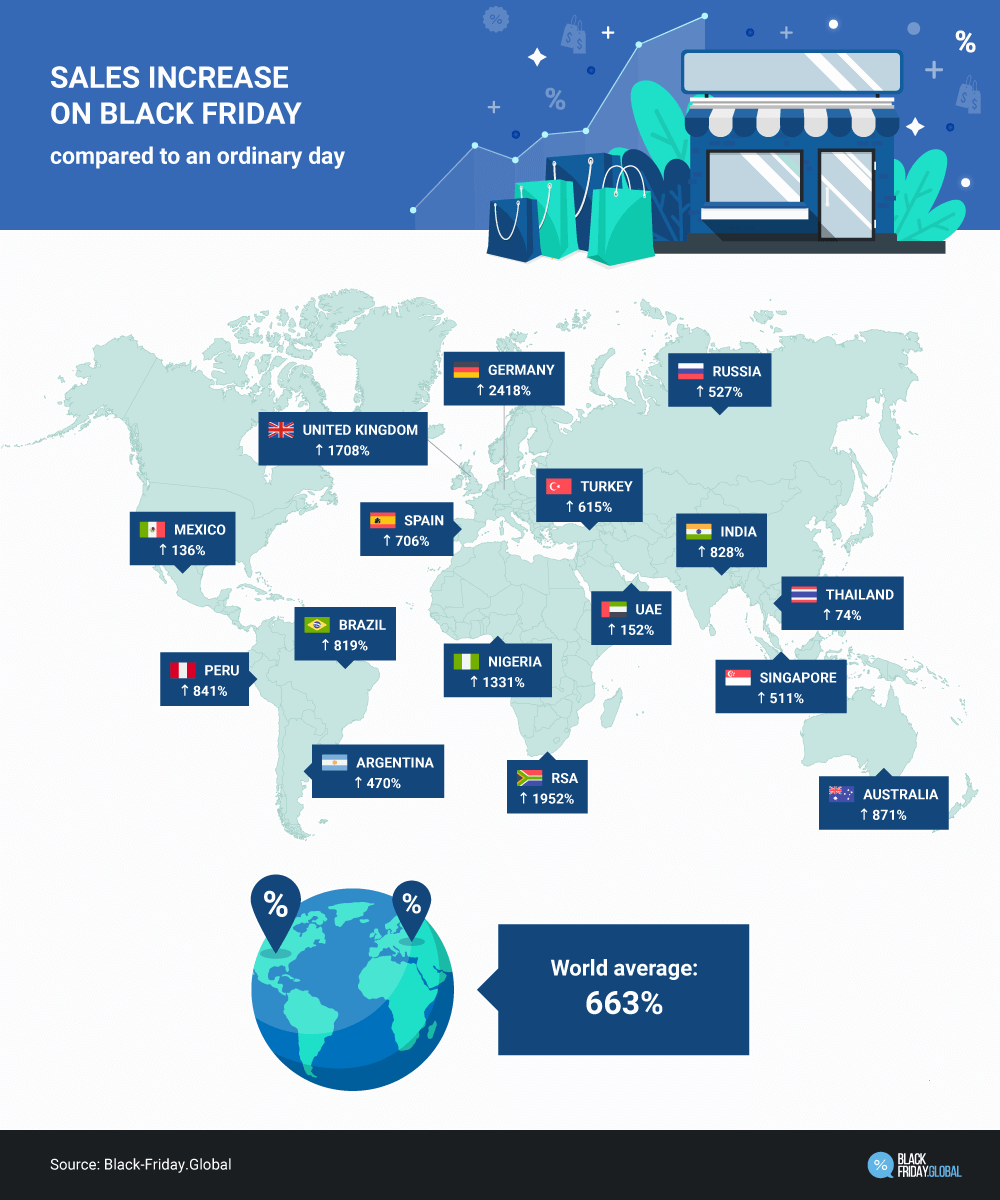 Photo: Black Friday, via black-friday.global
The Original Traveling Salesmen
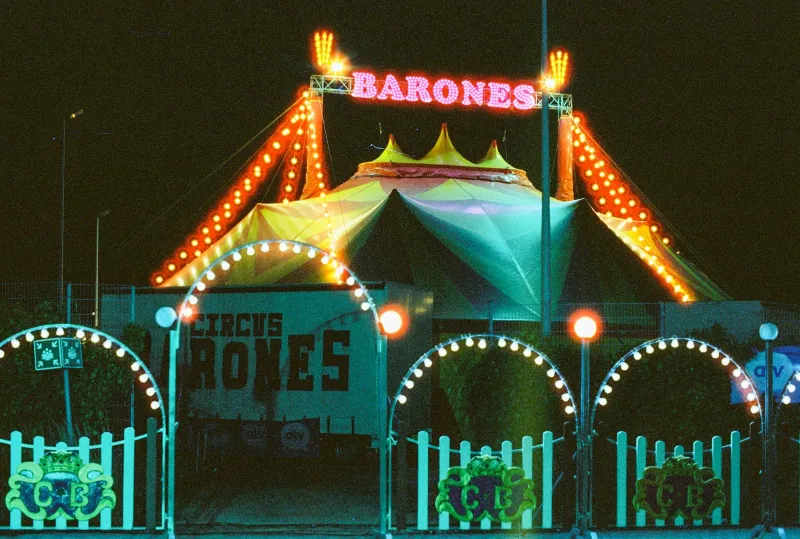
In the 1870s and 1880s, traveling circuses faced a unique business challenge. They had perhaps 48 hours in each town to recoup massive transportation costs and turn a profit before moving to the next stop. Unlike permanent businesses that could build customer relationships over time, carnival operators needed to create immediate urgency and desire among complete strangers.
The solution came from understanding something that academic psychologists wouldn't formally study for another century: humans make faster decisions when they believe opportunities are scarce and fleeting. Carnival barkers didn't know they were conducting psychological experiments—they were just trying to survive economically in an incredibly difficult business model.
P.T. Barnum, the era's most successful showman, systematically developed what he called "the science of humbug"—techniques for capturing public attention and converting curiosity into ticket sales. These methods seemed like crude entertainment tactics to contemporary observers, but they were actually sophisticated applications of human psychology.
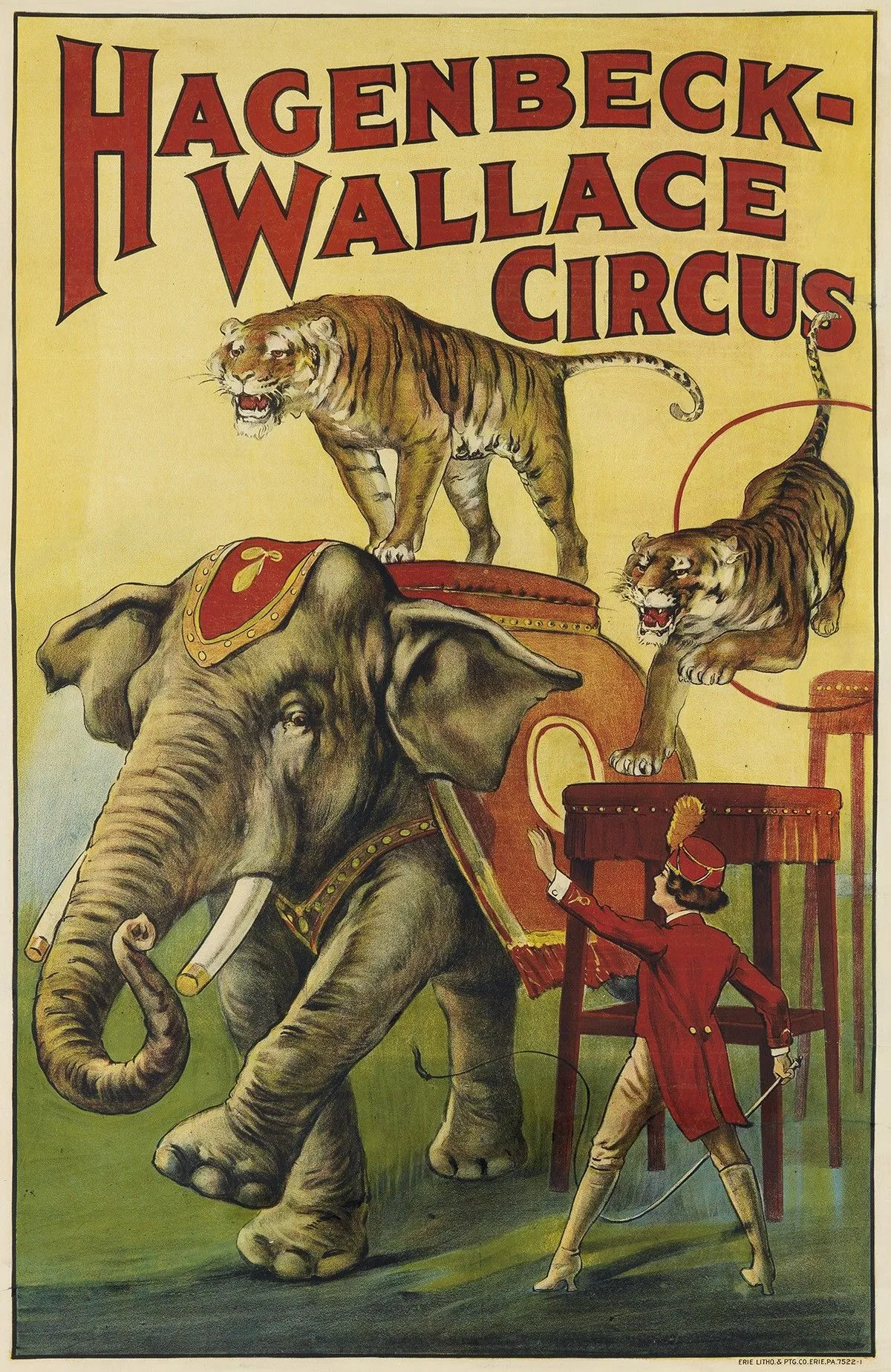 Photo: P.T. Barnum, via i.pinimg.com
The Three Pillars of Carnival Psychology
Traveling shows developed three core strategies that proved remarkably effective across different audiences and locations. First was manufactured scarcity: every performance was presented as potentially the last chance to see something extraordinary. Barkers would announce that the show might not return to town for years, or that certain performers were considering retirement.
Second was time pressure: tickets were always available for a "limited time only," with prices increasing as show time approached. This created artificial deadlines that forced quick decision-making and prevented potential customers from walking away to think it over.
Third was sensational positioning: every act was "the world's greatest," "never before seen," or "exclusively appearing." Even mundane performances were wrapped in superlatives that suggested witnessing something truly historic.
These techniques worked because they exploited fundamental aspects of human decision-making that remain unchanged today. People assign higher value to things that seem rare, make faster choices under time pressure, and are drawn to experiences that feel exclusive or extraordinary.
From Tents to Department Stores
The transition from carnival lots to mainstream retail happened gradually and largely without acknowledgment. In the 1890s, department store pioneers like John Wanamaker began adopting circus-style promotional techniques for their grand openings and seasonal sales events.
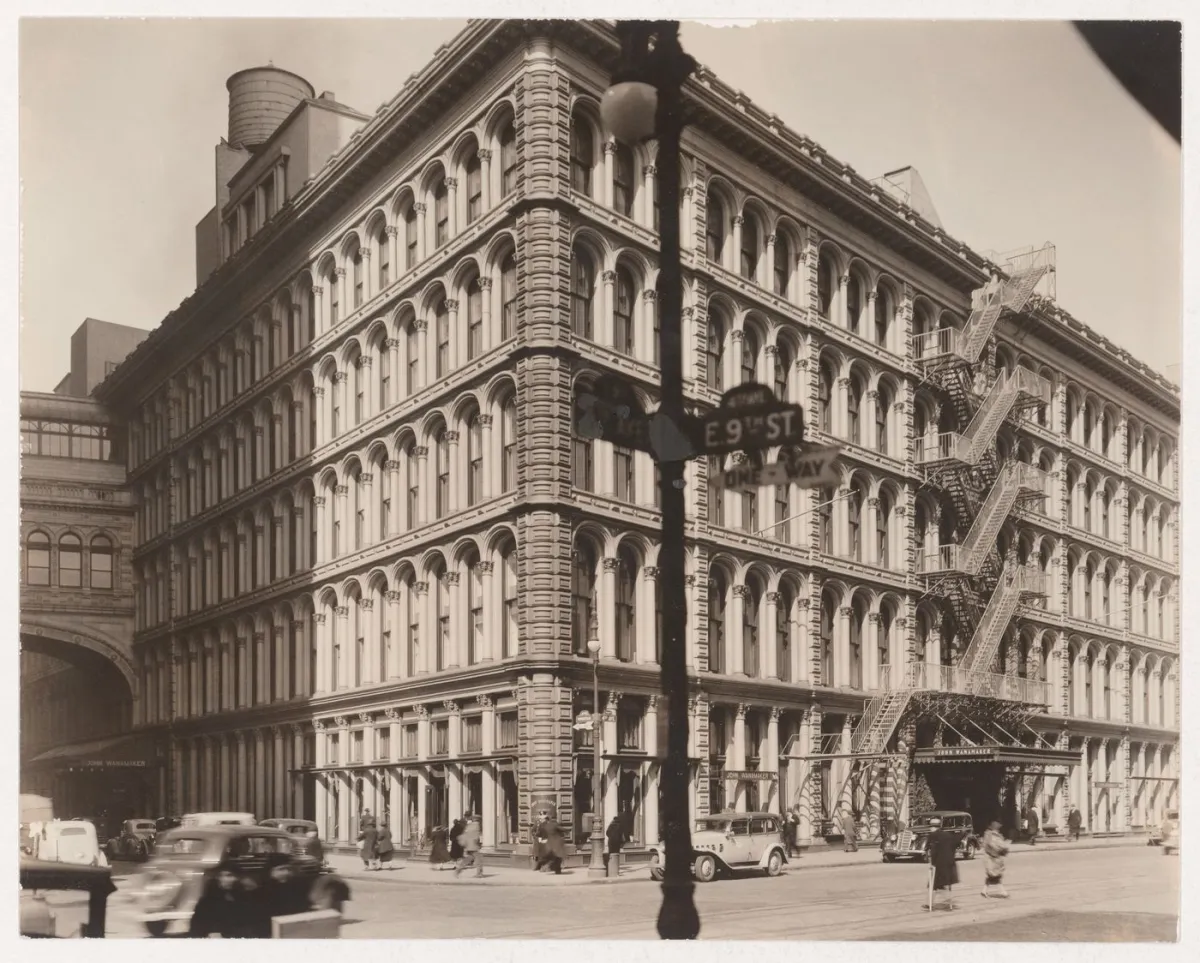 Photo: John Wanamaker, via www.cca.qc.ca
Wanamaker had observed how effectively traveling shows generated excitement and crowds. He started using similar language in his newspaper advertisements: "limited quantities," "special engagement," and "for this week only." The psychological triggers that worked for circus tickets proved equally effective for clothing and household goods.
By the early 1900s, major retailers were hosting "sales events" that borrowed heavily from carnival showmanship. They created artificial scarcity by limiting quantities of advertised items, used countdown timers to create urgency, and employed superlative language that would have made P.T. Barnum proud.
The respectability of department stores helped legitimize these tactics. What had been considered cheap carnival tricks became accepted business practices when employed by established retailers in major cities.
The Psychology Goes Professional
The 1920s marked a turning point when advertising agencies began studying carnival techniques more systematically. Professionals who had previously dismissed circus promotion as lowbrow entertainment started recognizing the sophisticated psychology behind it.
Agency researchers discovered that the same emotional triggers that filled circus tents could sell automobiles, household appliances, and luxury goods. The language evolved—"limited time offers" replaced "last chance to see"—but the underlying psychology remained identical.
Radio advertising embraced carnival-style urgency with particular enthusiasm. Sponsors could create immediate time pressure by announcing that special prices were only available to listeners who called within the next hour. This direct application of circus psychology to mass media proved incredibly effective and established templates still used today.
The Digital Carnival
Modern e-commerce has perfected the carnival barker's art beyond anything 19th-century showmen could have imagined. Online retailers use countdown timers, inventory warnings, and "limited time" promotions with a precision that would impress P.T. Barnum himself.
Amazon's "Lightning Deals" are pure carnival psychology: artificially scarce quantities available for limited time periods, complete with visual countdown timers and "X% claimed" progress bars. The company has essentially digitized the carnival barker's urgent sales pitch and automated it across millions of products.
Flash sale sites like Groupon and Woot built entire business models around manufactured scarcity and time pressure. Their success demonstrated that carnival psychology scales perfectly to digital platforms, where artificial urgency can be created and maintained automatically.
Social media advertising has added new dimensions to these old techniques. "Influencer" marketing often uses exclusive access and limited availability to drive engagement, while viral marketing campaigns create artificial buzz around product launches using the same sensational positioning tactics that circus promoters pioneered.
The Persistent Power of Old Tricks
What's remarkable is how little these techniques have changed despite dramatic shifts in technology and consumer sophistication. Modern Americans are far more educated about marketing tactics than 19th-century carnival audiences, yet they respond to essentially identical psychological triggers.
Black Friday sales events are perhaps the purest modern expression of carnival psychology. Retailers create artificial scarcity through limited quantities, impose strict time limits, and use superlative language to position ordinary discounts as extraordinary opportunities. The resulting consumer behavior—people camping outside stores and rushing through doors at opening time—mirrors the crowd dynamics that carnival barkers mastered more than a century ago.
The Unintended Legacy
Traveling circus operators never intended to revolutionize American commerce. They were simply trying to solve the practical problem of generating immediate revenue in unfamiliar towns with skeptical audiences. Their solutions worked so well that they quietly became the foundation of modern consumer culture.
Every marketing email promising "exclusive access," every website countdown timer, and every "while supplies last" disclaimer carries the DNA of those dusty carnival lots. The techniques that once filled circus tents now drive billions of dollars in annual sales, proving that sometimes the most enduring innovations come from the most unexpected sources.
The carnival barkers who developed these methods probably never imagined their psychological insights would outlast the traveling shows themselves. But in teaching America how to create desire and urgency, they accidentally wrote the playbook for modern consumer persuasion—a legacy that continues every time someone clicks "Buy Now" on a limited-time offer.