The Morning That Changed Everything
Every morning, millions of Americans perform the same ritual: they pour water into a machine, add ground coffee, and wait for that familiar drip-drip-drip sound. It's so automatic, so deeply embedded in our culture, that we rarely question where this daily ceremony came from. The answer traces back to one woman's kitchen frustration in Dresden, Germany, more than a century ago.
Melitta Bentz was tired of terrible coffee. In 1908, the German housewife faced the same problem plaguing coffee drinkers everywhere: the brewing methods of the time produced bitter, gritty cups full of grounds. The standard approach involved boiling coffee grounds directly in water, then letting them settle—a process that often resulted in over-extracted, harsh-tasting coffee with a mouthful of sediment.
A Simple Solution Nobody Wanted
Bentz's solution was elegantly simple. She took her son's school notebook paper, punched holes in a brass pot, and created the world's first paper coffee filter. The result was revolutionary: clean, smooth coffee without the bitter bite or gritty texture that had plagued coffee drinkers for centuries.
But when Bentz tried to sell her invention, the coffee industry wasn't interested. Established coffee companies dismissed the idea as unnecessary. Why would people need a special filter when the old methods worked just fine? The patent she filed on June 20, 1908, seemed destined for obscurity.
The Slow Journey to American Kitchens
What happened next illustrates how transformative innovations often succeed despite initial rejection, not because of immediate acceptance. Bentz started small, selling her filters door-to-door and at local fairs. Word spread slowly among German housewives who discovered what Bentz already knew: filtered coffee simply tasted better.
The real breakthrough came when Bentz's small company began producing specialized filter papers. This wasn't just about the filtering concept anymore—it was about creating a complete system that made better coffee accessible to ordinary people. By the 1930s, the Melitta company had grown from a kitchen experiment into a substantial business.
How America Fell in Love With Drip Coffee
The filtered coffee concept didn't immediately conquer America. Through the early 20th century, Americans were still largely drinking percolated coffee—a method that repeatedly cycled boiling water through grounds, often resulting in over-extraction and bitterness. But as European immigrants brought new coffee traditions to American cities, and as household convenience became increasingly valued, drip brewing began gaining ground.
The real tipping point came after World War II. Returning soldiers had experienced different coffee cultures overseas, and American manufacturers began producing electric drip coffee makers for the growing suburban market. The convenience factor was crucial: busy American families could set up their coffee maker the night before and wake up to fresh coffee.
The Accidental Empire
What's remarkable about Melitta Bentz's invention is how it quietly revolutionized American morning culture without anyone really noticing. Unlike flashy technological breakthroughs that announce themselves with fanfare, the coffee filter slipped into American life so naturally that it feels like it was always there.
Today, drip coffee represents about 60% of all coffee consumed in the United States. The automatic drip coffee maker sits on kitchen counters in roughly 80% of American homes. That familiar morning sound—the gurgle and drip of brewing coffee—has become as much a part of the American morning as alarm clocks and breakfast cereal.
The Ripple Effects of Better Coffee
Bentz's simple innovation had consequences she never could have predicted. Better-tasting coffee at home meant Americans developed more sophisticated palates, which eventually paved the way for the specialty coffee movement of the 1970s and 80s. The convenience of automatic drip brewing helped establish coffee as an essential part of American morning routines, contributing to a culture where "I can't function without my coffee" became a universally understood sentiment.
The filtered coffee revolution also democratized good coffee. Before Bentz's invention, consistently good coffee required skill, timing, and attention. With paper filters and automatic machines, anyone could brew a decent cup. This accessibility helped transform coffee from a simple beverage into a cultural cornerstone.
Why This Kitchen Hack Still Matters
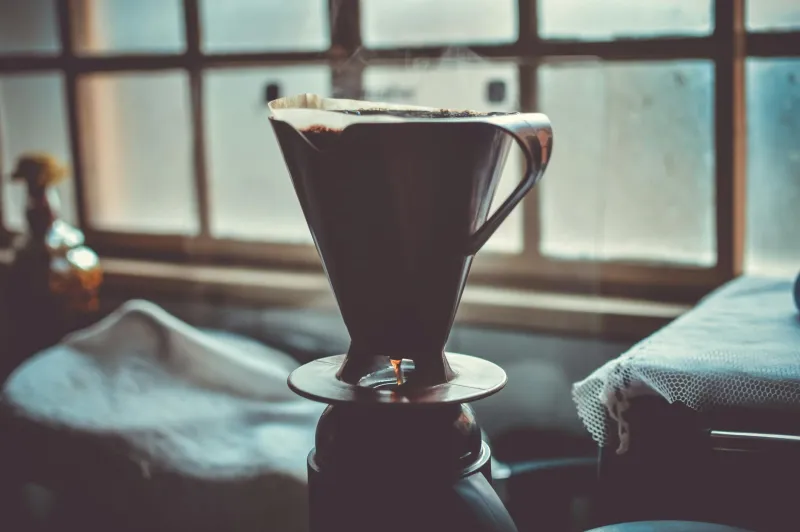
In an era of espresso machines, single-serve pods, and artisanal pour-overs, the basic principle behind Melitta Bentz's 1908 innovation remains unchanged. Whether it's a $20 plastic dripper or a $300 automatic machine, the concept is the same: hot water passes through ground coffee and a filter, producing clean, extracted coffee without the grounds.
The next time you hear that familiar drip of your morning coffee, remember that you're participating in a ritual that began with one woman's refusal to accept bad coffee as inevitable. Sometimes the most profound changes in how we live come not from grand technological leaps, but from simple solutions to everyday frustrations—solutions so elegant that they become invisible parts of our daily lives.