One Chef's Temper Tantrum Accidentally Invented America's Most Beloved Snack
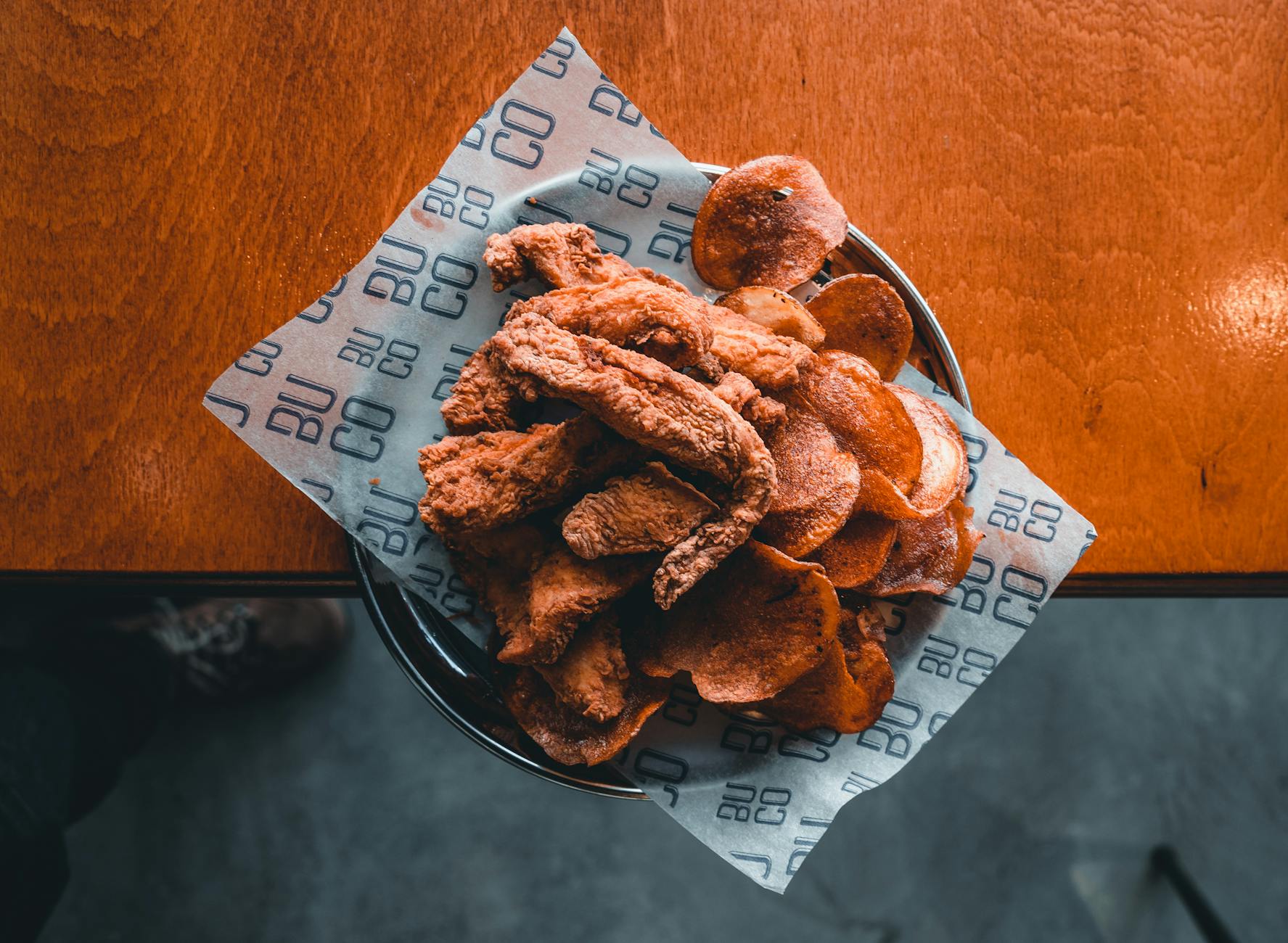
One Chef's Temper Tantrum Accidentally Invented America's Most Beloved Snack
In the summer of 1853, a frustrated cook in upstate New York decided to teach a difficult customer a lesson — and accidentally changed American snacking forever. What started as a petty act of kitchen rebellion became a multi-billion dollar industry that fills pantry shelves, gas station racks, and Super Bowl party bowls across the country. The potato chip wasn't engineered by food scientists or dreamed up by a marketing team. It was born from spite.
A Very Bad Night at Moon's Lake House
The story begins at Moon's Lake House, a fashionable resort restaurant in Saratoga Springs, New York. The chef on duty was George Crum, a man known for his skill in the kitchen and, by most accounts, a fairly short fuse when it came to complaints about his food.
On that particular evening, a diner — some accounts name him as railroad magnate Cornelius Vanderbilt, though historians debate this — kept sending his fried potatoes back to the kitchen. Too thick, he said. Too soggy. Not crispy enough. After the second or third return trip, Crum had heard enough.
In what was almost certainly meant as a sarcastic gesture, he sliced a new batch of potatoes paper-thin, fried them until they were almost translucent, and sent them out heavily salted. The clear message: enjoy that, then. The expected reaction was outrage. What actually happened surprised everyone in the kitchen.
The customer loved them.
From Spite to Signature Dish
Word spread fast. Within days, other diners at Moon's Lake House were specifically requesting Crum's thin-fried potatoes. They became a house specialty, listed on the menu as "Saratoga Chips" — a name that stuck around for decades and still appears on some artisan snack labels today.
Crum eventually opened his own restaurant, where a basket of the chips sat on every table as a complimentary starter. He understood he had stumbled onto something people genuinely couldn't stop eating. What he didn't do — and what would later cost him enormously — was patent the idea.
Without any legal protection on the recipe or process, Saratoga Chips began appearing at other restaurants and, eventually, in home kitchens across the Northeast. The concept was too simple and too delicious to stay contained.
The Bag That Changed Everything
For the first few decades of their existence, potato chips were a regional, largely restaurant-based indulgence. They were made fresh and served the same day — the kind of thing you got at a nice dining establishment, not something you'd find on a store shelf.
That changed in the 1920s, when an Ohio salesman named Herman Lay (yes, that Lay) and a number of other regional entrepreneurs began figuring out how to package and distribute chips at scale. Early bags were hand-twisted wax paper parcels, prone to going stale quickly. The real breakthrough came in the 1950s with the introduction of heat-sealed, moisture-resistant packaging — suddenly, chips had a shelf life, and that meant they could travel.
Distribution networks expanded. Grocery stores gave them dedicated shelf space. And Americans, already enthusiastic, became devoted.
A Snack That Defines a Culture
Today, the potato chip industry in the United States generates over $10 billion in annual revenue. Americans consume roughly 1.85 billion pounds of chips every year. There are entire store aisles dedicated to flavor variations — sour cream and onion, barbecue, salt and vinegar, jalapeño, and combinations that would genuinely baffle George Crum — and the snack food category he accidentally launched now encompasses everything from tortilla chips to veggie straws.
The story is a genuinely strange one when you sit with it. There was no market research, no product development cycle, no focus group. A cook got irritated, made a point, and an entire industry followed.
Crum himself never saw a dime from the wider commercial explosion of his invention. But the next time you reach into a bag of chips without really thinking about it — during a movie, at a cookout, standing over the kitchen counter at midnight — you're participating in a tradition that started with one man's decision to be difficult about a potato.
Some accidents, it turns out, are worth making.