The Kitchen Disaster That Launched a Billion-Dollar Sneaker Empire
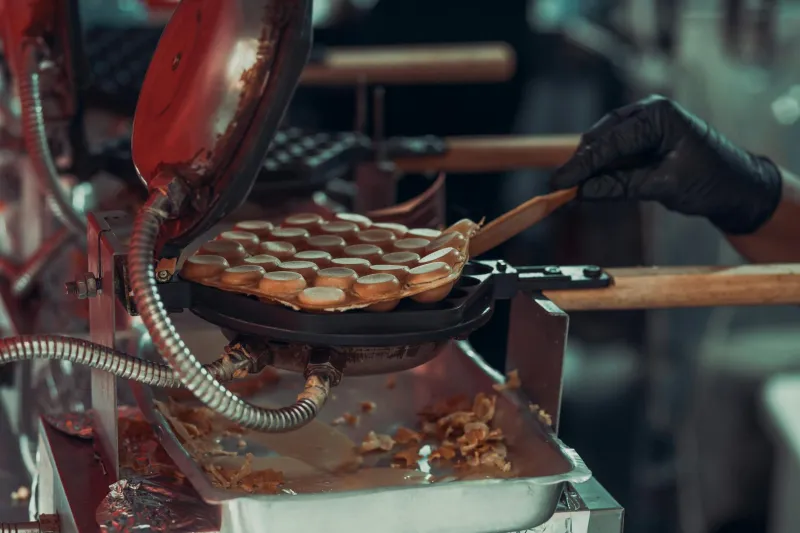
The Morning That Changed Everything
Barb Bowerman woke up that Sunday morning in 1971 expecting a quiet breakfast with her husband. Instead, she found Bill hunched over her waffle iron, pouring liquid rubber into the grooves where batter should go. The University of Oregon track coach had been obsessing over his runners' footwear for months, convinced that the right sole could shave precious seconds off their times.
What happened next would accidentally birth one of the most recognizable shoe designs in history—and turn a struggling startup called Nike into a $30 billion empire.
The Problem That Wouldn't Go Away
By 1971, Bill Bowerman had spent decades watching his athletes slip and slide on tracks across the Pacific Northwest. Traditional running spikes worked fine on cinder tracks, but newer synthetic surfaces demanded something different. Bowerman had already co-founded Blue Ribbon Sports (later Nike) with former runner Phil Knight, but their imported Japanese shoes weren't solving the traction problem.
Bowerman became fixated on creating a sole that could grip without being too heavy. He experimented with everything from sandpaper to metal studs, but nothing delivered the perfect balance of grip and flexibility his runners needed.
Then came that fateful Sunday morning.
The Waffle Iron Incident
As Bowerman sat at his breakfast table, staring at the geometric pattern of his wife's waffle iron, inspiration struck. Those perfectly spaced squares could create the ideal surface area for traction while remaining lightweight. Without asking permission—a decision that would cost him more than one kitchen appliance—he mixed up a batch of liquid urethane rubber.
The first attempt was a disaster. The rubber bonded permanently to the waffle iron, destroying it completely. But when Bowerman peeled away the hardened mess, he discovered something remarkable: a sole with dozens of tiny square nubs that provided incredible grip without adding bulk.
"I think I may have something here," he told his wife, holding up the rubber waffle pattern. Barb Bowerman was less enthusiastic about losing her waffle iron to her husband's latest obsession.
Manufacturing Says No
When Bowerman brought his waffle sole concept to Nike's manufacturing partners, the response was swift and unanimous: impossible. The intricate pattern would be too expensive to produce, too difficult to mold consistently, and too weird-looking for consumers to accept.
Traditional athletic shoe soles were smooth or featured simple tread patterns. The idea of dozens of tiny squares covering the bottom of a shoe struck industry experts as impractical and unmarketable. Why would anyone want a shoe that looked like it had been pressed in a waffle iron?
Bowerman refused to give up. He spent months refining the design, testing different rubber compounds, and perfecting the square pattern. He convinced a small Oregon manufacturer to create custom molds, despite their skepticism about the commercial viability.
The Shoe That Changed Everything
In 1974, Nike released the Waffle Trainer, featuring Bowerman's kitchen-born sole design. The response from runners was immediate and overwhelming. The waffle pattern provided superior traction on multiple surfaces while remaining lightweight and flexible. More importantly, it gave Nike a distinctive visual identity that set their shoes apart from every competitor.
The waffle sole became Nike's signature, appearing on everything from elite racing flats to everyday training shoes. That distinctive pattern of squares became as recognizable as Nike's swoosh logo, helping establish the brand's reputation for innovation and performance.
From Track to Street
What started as a solution for competitive runners quickly found a much larger audience. As jogging became popular in the 1970s, recreational runners discovered that waffle-soled Nikes worked just as well for weekend warriors as they did for Olympic athletes. The shoes transitioned seamlessly from track to street, becoming a fashion statement as much as athletic equipment.
The waffle sole's success helped fuel Nike's explosive growth throughout the late 1970s and 1980s. By the time Michael Jordan signed with Nike in 1984, the company had already established itself as an innovation leader, thanks in large part to a sole pattern born in a suburban kitchen.
The Legacy of a Sunday Morning Mistake
Today, variations of Bowerman's waffle pattern still appear on Nike shoes across dozens of product lines. The company has sold hundreds of millions of pairs featuring some version of the original design, generating billions in revenue from a concept that manufacturing experts once dismissed as unmarketable.
Bill Bowerman's willingness to destroy his wife's kitchen appliances in pursuit of better athletic performance exemplifies the kind of unconventional thinking that built American innovation. His Sunday morning experiment proved that sometimes the best solutions come from the most unexpected places—even if they cost you a perfectly good waffle iron.
The next time you see someone wearing Nikes, look down at their soles. Those little squares trace their ancestry back to a destroyed waffle iron and one coach's refusal to accept that his runners had to slip and slide their way to victory.