The Midnight Mistake That Gave America Its Most Iconic Sandwich
The Midnight Mistake That Gave America Its Most Iconic Sandwich
Every day, 193 million Americans bite into a sandwich. From the corner deli's pastrami on rye to the gas station's shrink-wrapped turkey club, we consume more sandwiches than any other nation on Earth. But this culinary cornerstone of American life started with a British aristocrat who simply refused to stop gambling.
The Earl Who Wouldn't Quit
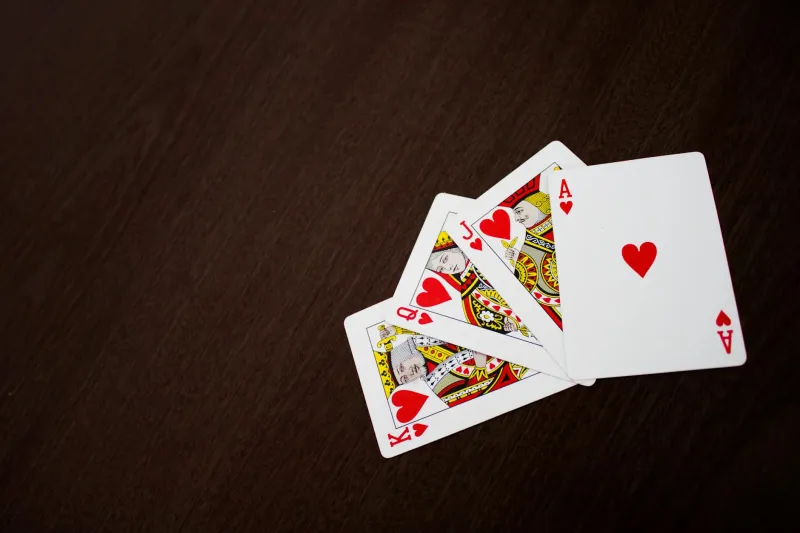
It was 1762, and John Montagu, the 4th Earl of Sandwich, had been sitting at the same card table for nearly 24 hours straight. The nobleman was deep into a high-stakes game of cribbage at London's Beef Steak Club, and he was winning. But there was a problem: he was starving.
Most gentlemen would have excused themselves for a proper meal in the dining room. Not Montagu. He was notorious for his gambling obsession, often playing for days without break. His solution was brilliantly lazy—he called for his servant to bring him roast beef, but with a twist that would change food history forever.
"Put it between two pieces of bread," he instructed, "so I can eat with one hand and keep my cards in the other."
The other players watched in fascination as Montagu devoured his makeshift meal without missing a hand. Within hours, they were all ordering "the same as Sandwich"—and the sandwich was born.
From London Tables to American Lunch Boxes
Word of Montagu's gambling snack spread through London's social circles like wildfire. By the 1770s, fashionable Londoners were requesting "sandwiches" at their clubs and coffeehouses. But it was America where this simple concept would truly find its home.
When European immigrants arrived in the New World, they brought the sandwich concept with them. But America's fast-paced, work-focused culture transformed it from an aristocratic convenience into a democratic necessity. Unlike the leisurely European lunch tradition, Americans needed something they could eat quickly and get back to work.
The sandwich was perfect. It was portable, customizable, and required no utensils—ideal for a nation of hustlers and immigrants working long hours to build new lives.
The Great American Sandwich Evolution
What happened next was pure American ingenuity. Regional variations exploded across the country, each reflecting local tastes and available ingredients. New Orleans created the po' boy during a 1929 streetcar strike, stuffing fried seafood into French bread to feed hungry workers. Philadelphia perfected the cheesesteak in the 1930s when Pat Olivieri threw some beef and onions on a roll and accidentally created a city icon.
Meanwhile, Italian immigrants in Connecticut were crafting the first submarine sandwiches (later shortened to "subs"), while Jewish delis in New York were piling pastrami higher than the Earl of Sandwich could have ever imagined.
The Sandwich Industrial Complex
By the 20th century, America had industrialized the Earl's midnight snack. The invention of sliced bread in 1928 made sandwiches even more accessible to the masses. Suddenly, every household could easily create what had once required a servant's preparation.
World War II cemented the sandwich's place in American culture. Packed lunch boxes became essential for factory workers supporting the war effort. The sandwich wasn't just convenient—it was patriotic.
Today, the numbers tell the story of America's sandwich obsession. The industry generates over $20 billion annually. Subway alone has more locations than McDonald's. Americans consume an average of 193 sandwiches per person each year—that's one every other day.
The Accidental Cultural Revolution
What's remarkable is how a nobleman's refusal to leave a card game accidentally solved one of modern life's persistent problems: how to eat well while staying productive. The Earl of Sandwich unknowingly created the template for grab-and-go dining that would define American food culture.
The sandwich democratized fine dining, making it possible for a construction worker to enjoy the same basic meal format as a Wall Street executive. It became the great equalizer—everyone from presidents to plumbers has been photographed eating one.
More Than Just Lunch
The sandwich's impact extends far beyond nutrition. It shaped American architecture (think of all those sandwich shops), created entire industries (from industrial bread production to specialized meats), and even influenced our language. We "sandwich" things between other things. We eat "club" sandwiches and "hero" sandwiches, each name telling its own story of American creativity.
The next time you grab a sandwich for lunch, remember you're participating in a tradition that started with one man's stubborn refusal to stop gambling. The Earl of Sandwich thought he was just solving his immediate hunger problem, but he accidentally gave America one of its most enduring and beloved food traditions.
Sometimes the best innovations come from the most selfish moments—and sometimes a midnight mistake can feed a nation for centuries.