The Patent Medicine That Bubbled Its Way Into American Culture
The Morphine Problem That Started It All
In 1886 Atlanta, Dr. John Stith Pemberton had a problem. The Civil War veteran had become addicted to morphine after treating a saber wound, and like thousands of other Americans in the post-war era, he was desperately seeking a cure. His solution? Mix up a brown syrup in his backyard and call it medicine.
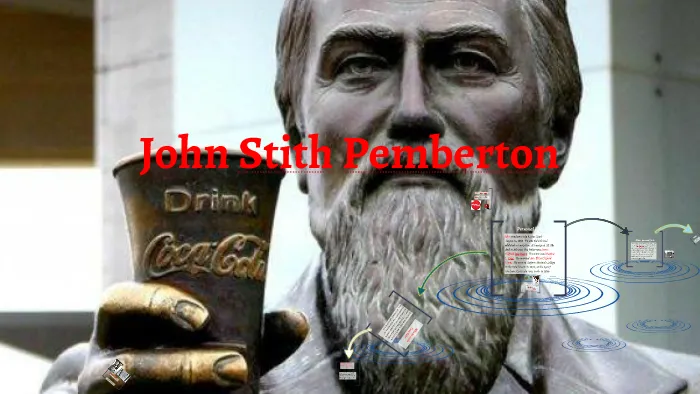 Photo: Dr. John Stith Pemberton, via 0701.static.prezi.com
Pemberton wasn't alone in his entrepreneurial approach to addiction. The late 1800s were the Wild West of American pharmacy, where anyone with a kettle and a creative mind could brew up a "patent medicine" and make bold claims about its healing powers. Cocaine was legal, alcohol was medicinal, and the line between cure and poison was refreshingly blurry.
When Brain Tonic Met Soda Water
Pemberton's concoction originally contained cocaine from coca leaves and caffeine from kola nuts — hence the name "Coca-Cola." He marketed it as "Pemberton's French Wine Coca," a brain tonic that promised to cure everything from headaches to impotence. The good doctor was convinced he'd created the ultimate pick-me-up for America's growing class of exhausted office workers.
But then Atlanta went dry. Prohibition laws swept through Georgia in 1886, forcing Pemberton to remove the wine from his formula. Desperate to salvage his investment, he reformulated the syrup and began selling it as a temperance drink. The new version was supposed to be mixed with plain water, creating a non-alcoholic medicinal beverage.
That's when accident struck gold. On May 8, 1886, a customer walked into Jacob's Pharmacy in downtown Atlanta and asked for a glass of the new Coca-Cola syrup. The busy soda jerk, instead of reaching for still water, grabbed the carbonated soda water by mistake. The customer took a sip, loved the fizzy sensation, and American beverage history was born.
The Accidental Soft Drink Revolution
What happened next reveals how random chance shaped American consumer culture. Pemberton's bookkeeper, Frank Robinson, suggested the name "Coca-Cola" and designed the flowing script logo that's still used today. But Pemberton himself never saw the fortune coming. Struggling with his morphine addiction and mounting debts, he sold portions of his company for pocket change.
Meanwhile, that accidental carbonation had solved a problem no one knew existed. Americans in the 1880s were suspicious of plain water — for good reason, since municipal water systems were often contaminated. But carbonated beverages seemed safer, more sophisticated, and frankly more fun than the bitter patent medicines lining pharmacy shelves.
Asa Candler, a fellow Atlanta pharmacist, recognized the potential and gradually bought out Pemberton's shares for a total of $2,300. By 1891, Candler owned the entire Coca-Cola company and began the aggressive marketing campaign that would make it a household name.
From Medicine Cabinet to Main Street
The transformation from patent medicine to soft drink wasn't immediate. Early Coca-Cola advertisements still promised medicinal benefits well into the 1890s. The company claimed their drink could cure headaches, relieve exhaustion, and calm nerves. It was marketed alongside other dubious tonics promising to solve America's modern ailments.
But Candler was smarter than most patent medicine peddlers. Instead of just making medical claims, he focused on taste and refreshment. He hired traveling salesmen to give away free samples, distributed branded calendars and clocks to soda fountains, and created the first national beverage advertising campaign in American history.
The genius was in the positioning. Coca-Cola straddled the line between medicine and treat, offering the psychological comfort of a health tonic with the simple pleasure of a sweet, fizzy drink. Americans could feel virtuous about their indulgence.
The Cultural Fizz That Changed Everything
By the early 1900s, Coca-Cola had accomplished something remarkable: it had trained Americans to think of soft drinks as everyday beverages rather than occasional medicines. The company's success inspired hundreds of imitators and created the entire American soft drink industry.
More importantly, Coca-Cola accidentally established the template for modern consumer branding. The distinctive bottle shape, the secret formula mystique, the emotional advertising — these weren't planned from the beginning. They evolved as the company figured out how to sell a product that nobody had needed until they tasted it.
Today, when Americans reach for a Coke, they're participating in a ritual that began with one man's desperate attempt to cure his war wounds and a soda jerk's simple mistake. That brown syrup, originally designed to wean people off morphine, became the foundation of a global empire worth over $240 billion.
The Lasting Bubble
Pemberton died in 1888, two years after his accidental creation, still struggling with the morphine addiction his invention was supposed to cure. He never lived to see Coca-Cola become synonymous with American culture, spreading to every corner of the globe as a symbol of freedom, capitalism, and the peculiar American genius for turning mistakes into fortunes.
The next time you hear the distinctive fizz of a Coke being opened, remember: you're experiencing the sound of American innovation at its most accidental. Sometimes the best discoveries happen when we're trying to solve completely different problems — and when busy workers grab the wrong bottle from the shelf.