The Unmarked Canvas of Early America
Walk through any American city today and you'll see them everywhere: intricate sleeve tattoos, delicate wrist designs, bold back pieces. Nearly 40% of Americans between 18 and 69 have at least one tattoo, making body art as common as college degrees. But this wasn't always the American story. For the first 200 years of European settlement, tattooed skin was virtually unknown in the colonies—until sailors started returning from the Pacific with permanent souvenirs.
The transformation of America into a tattooed nation began not in parlors or studios, but on the rolling decks of ships crossing the world's largest ocean. It's a story of cultural collision, maritime tradition, and how a practice considered exotic and foreign gradually became as American as apple pie.
The Pacific Encounter
When Captain James Cook's expeditions reached Tahiti in 1769, his crew encountered something that fascinated and puzzled them: intricate designs permanently marked into human skin. The Polynesian word "tatau"—meaning to strike or mark—entered the English language as "tattoo," but the practice itself represented something far more complex than mere decoration.
In Polynesian culture, tattoos weren't casual adornments. They told stories, marked social status, demonstrated spiritual beliefs, and recorded personal achievements. The process was sacred, painful, and meaningful. When Cook's sailors witnessed this ancient art form, some became willing canvases themselves, trading European goods for permanent marks that would forever connect them to the Pacific islands.
These early sailor tattoos were simple by today's standards—anchors, ships, names, dates—but they represented something revolutionary in Western culture: the voluntary, permanent alteration of one's body for personal rather than practical reasons.
Port Cities and Permanent Marks
As Pacific trade routes expanded through the late 1700s and early 1800s, American sailors increasingly encountered Polynesian tattoo traditions. When these men returned to ports like Boston, New York, Philadelphia, and San Francisco, they brought with them not just exotic stories, but exotic skin.
Port cities became the first American centers of tattoo culture. Sailors with money to spend and time to kill sought out the few practitioners who could replicate the Pacific designs they'd seen or add to collections started overseas. These early American tattoo artists were often sailors themselves, men who had learned the craft during long voyages and saw opportunity in their unique skills.
The maritime connection was so strong that for decades, tattoos in America were almost exclusively associated with seafaring life. A tattooed man was assumed to be a sailor, and sailors were expected to have tattoos. The designs reflected this culture: anchors, ships, mermaids, nautical stars, and swallows—symbols that spoke to life at sea and the desire to return safely to shore.
From Novelty to Notoriety
By the mid-1800s, tattoos had spread beyond the maritime community, but they hadn't gained respectability. Instead, they became associated with society's margins: circus performers, criminals, and working-class laborers. This reputation wasn't entirely unfair—tattooing was largely unregulated, often unsanitary, and practiced by people operating outside conventional society.
The association with criminality was reinforced by the prison tattoo culture that developed alongside the maritime tradition. Inmates used improvised tools and inks to mark themselves, creating a parallel tattoo tradition that emphasized rebellion, group membership, and defiance of authority. These prison tattoos were rougher, more symbolic, and carried meanings that respectable society preferred to ignore.
The Great Tattoo Drought
Just as tattoos were beginning to establish themselves in American working-class culture, disaster struck. In 1961, a hepatitis B outbreak in New York City was traced to unsanitary tattoo parlors. The city's health department responded by banning tattooing entirely—a prohibition that lasted until 1997.
New York's ban had ripple effects across the country. Other cities and states implemented similar restrictions, driving tattoo culture underground. For nearly four decades, getting a tattoo in much of America required seeking out illegal operators or traveling to more permissive jurisdictions. The ban didn't eliminate tattoos, but it certainly slowed their mainstream acceptance.
The Unexpected Renaissance
The revival of American tattoo culture began in the 1970s and 80s, driven by several unexpected factors. The counterculture movement embraced tattoos as symbols of nonconformity. Military veterans, particularly those returning from Vietnam, continued the martial tattoo tradition. And perhaps most importantly, a new generation of tattoo artists emerged who treated the medium as fine art rather than simple marking.
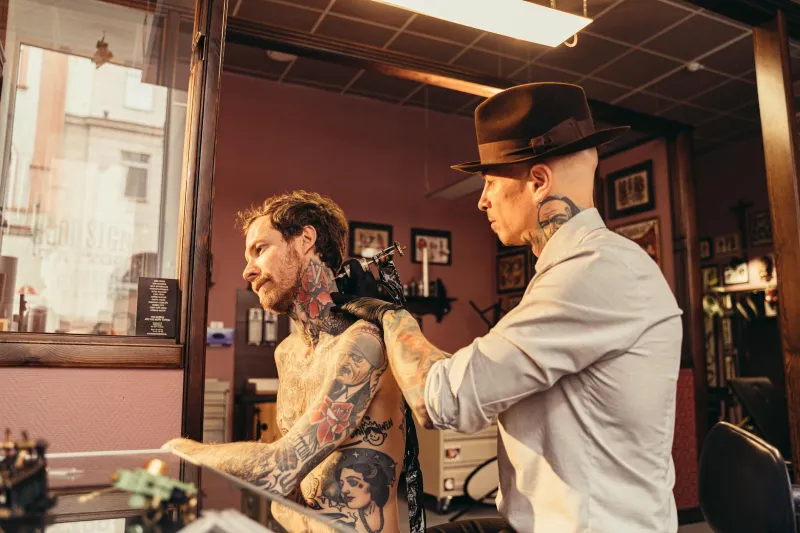
These artist-tattooers elevated the craft, introducing sophisticated techniques, complex designs, and sterile practices that addressed health concerns. They opened clean, professional studios that looked more like art galleries than the seedy parlors of popular imagination. Suddenly, tattoos weren't just for sailors and outcasts—they were for anyone seeking permanent self-expression.
The Mainstream Invasion
The transformation of tattoos from maritime curiosity to mainstream American culture accelerated through the 1990s and 2000s. Celebrity tattoos gained media attention. Reality TV shows like "Miami Ink" and "LA Ink" glamorized tattoo culture. Social media allowed people to share and discover tattoo designs globally.
Today's American tattoo culture bears little resemblance to its maritime origins, yet the connection remains. Modern tattoo conventions still feature nautical designs. Sailor Jerry-style tattoos enjoy periodic revivals. And the fundamental impulse that drove those first Pacific sailors to mark their skin—the desire to carry permanent reminders of meaningful experiences—continues to motivate millions of Americans.
The Art Form That Came Home
What began as curious sailors collecting exotic souvenirs has evolved into a distinctly American form of self-expression. The United States now has more tattoo parlors than McDonald's restaurants. Americans spend more than $1.6 billion annually on tattoos. And that original Pacific inspiration has come full circle, with American tattoo artists now influencing global tattoo culture.
The next time you see someone's tattoo, remember that you're witnessing the latest chapter in a story that began with wooden ships, trade winds, and sailors brave enough to let strangers permanently mark their skin with foreign designs. Sometimes the most lasting cultural changes arrive not through official channels or grand pronouncements, but through individuals returning home with stories—and souvenirs—that gradually reshape what we consider normal.