Why Americans Tie the Knot: The Nautical Love Story Behind Our Most Romantic Phrase
The Loneliness of the Open Ocean
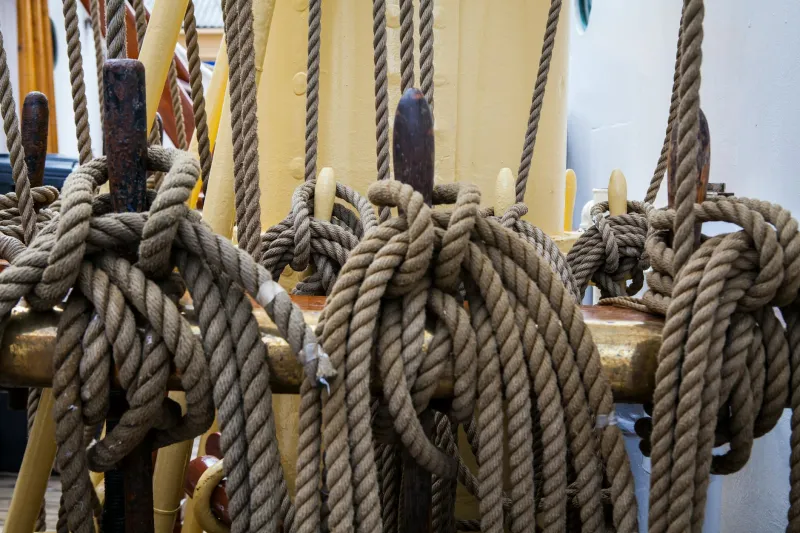
Picture this: you're stuck on a wooden ship for eighteen months, surrounded by the same smelly crew, eating hardtack and salt pork while the Atlantic Ocean stretches endlessly in every direction. What do you do with your hands during the long, boring hours between storms and whale sightings?
If you were an American sailor in the 1700s and 1800s, you practiced knots. Lots of knots. Sailors didn't just tie functional knots for ship operations — they created elaborate decorative knots as a form of meditation, art, and eventually, romance.
This maritime tradition of intricate rope work, known as "fancy work" or "McNamara's lace," became the unexpected foundation for one of America's most cherished romantic customs: the lover's knot.
When Rope Became Romance
Sailors developed an entire vocabulary of decorative knots during their voyages. The Turk's head, the monkey's fist, the star knot — each required skill, patience, and hours of practice. But it was the "true lover's knot" that captured their hearts and, eventually, the hearts of their sweethearts back home.
The true lover's knot was special because of its symbolism: two separate loops intertwined in such a way that pulling on one tightened the other. The harder you pulled, the stronger the bond became. For sailors facing uncertain returns and long separations, this knot became a perfect metaphor for enduring love.
When ships finally returned to port in places like Boston, New York, or Charleston, these weather-beaten sailors would present their carefully crafted knots as tokens of devotion. Unlike flowers that wilted or letters that faded, these rope creations were permanent, tangible proof of time spent thinking about home.
The Knot That Tied America Together
The tradition caught on faster than scurvy in the ship's galley. By the early 1800s, American jewelers were creating silver and gold versions of the sailor's lover's knot. These became popular engagement gifts, worn as brooches or incorporated into necklaces and bracelets.
The phrase "tying the knot" emerged from this nautical courtship ritual. When a couple became engaged, they were literally and figuratively "tying the knot" — binding their lives together with the same permanence that sailors built into their rope work.
But the influence went deeper than jewelry. The lover's knot began appearing in American folk art, quilting patterns, and architectural details. You can still see lover's knot motifs carved into the woodwork of 19th-century homes throughout New England, where maritime culture ran deepest.
From Ship to Shore to Wedding Altar
As America's maritime economy grew, so did the cultural influence of sailor traditions. Whaling ports like Nantucket and New Bedford became centers of lover's knot craftsmanship. Sailors' wives and daughters learned to create their own versions, often incorporating them into wedding ceremonies.
The handfasting ceremony — where couples' hands were literally bound together with rope or ribbon — adopted the lover's knot as its signature element. This practice, which had ancient Celtic roots, found new life in American maritime communities where the symbolism felt especially meaningful.
By the mid-1800s, "tying the knot" had become standard American slang for getting married. The phrase appeared in newspapers, novels, and everyday conversation across the country, spreading far beyond coastal communities to landlocked states where most people had never seen an ocean.
The Knot That Wouldn't Come Undone
What makes this story particularly American is how a working-class tradition — sailors' rope work — became embedded in middle-class romantic culture. In Europe, elaborate courtship rituals were often restricted to the aristocracy. But in America, a common sailor's pastime evolved into a democratic symbol of love that anyone could afford and understand.
The lover's knot also reflected American values of permanence and commitment during an era of rapid change. As the country expanded westward and industrialization transformed daily life, the idea of an unbreakable bond resonated with couples facing uncertain futures.
Jewelers capitalized on this sentiment, creating increasingly elaborate lover's knot designs. Tiffany & Co. popularized silver lover's knot brooches in the 1870s, while smaller jewelers offered affordable versions in brass and copper. The knot became democratized luxury — expensive enough to show serious intent, but accessible to working families.
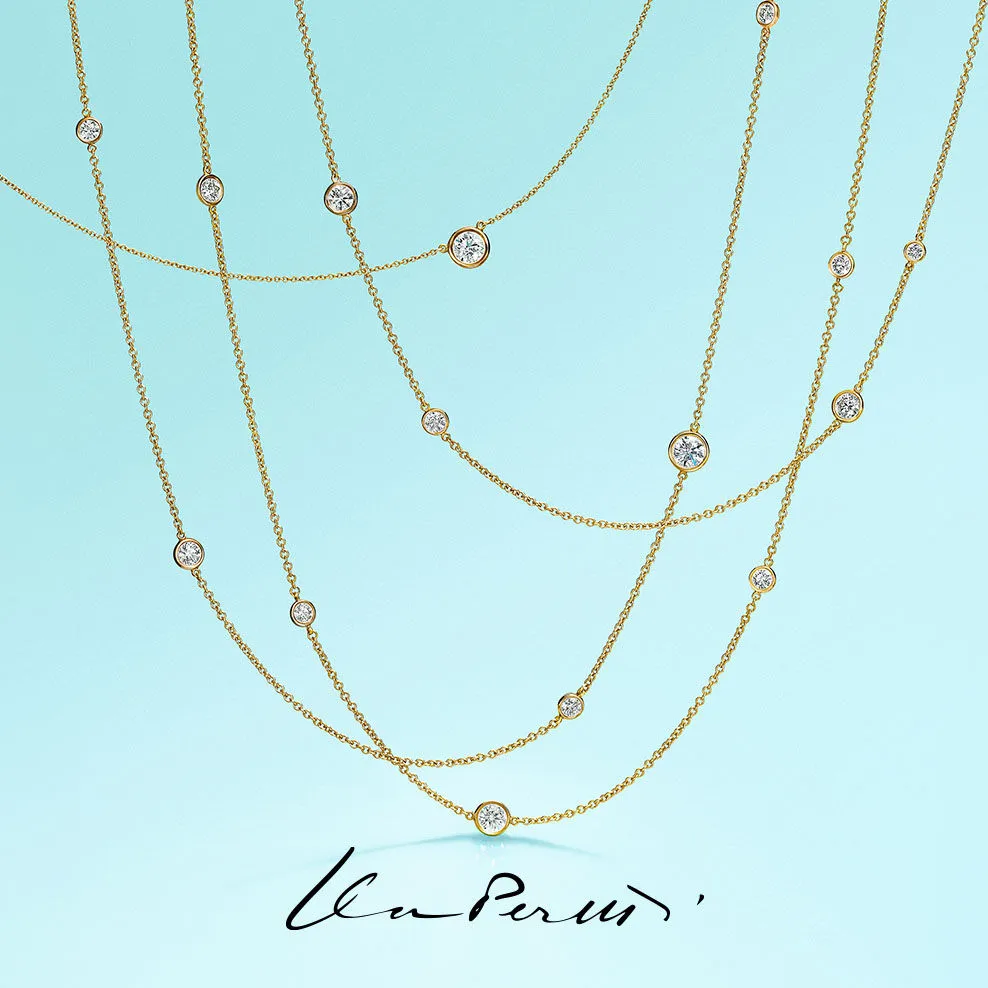 Photo: Tiffany & Co., via media.tiffany.com
Knotted Into Modern America
Today, most Americans use the phrase "tying the knot" without thinking about its nautical origins. But the lover's knot itself has experienced several revivals, particularly during wartime when couples faced long separations reminiscent of those original maritime voyages.
World War II brought renewed interest in lover's knot jewelry, as soldiers and sailors once again left sweethearts behind for uncertain journeys. The knot appeared on everything from military sweetheart jewelry to home front propaganda posters promoting faithfulness and endurance.
Modern wedding traditions still echo these nautical origins. Unity ceremonies often involve literally tying knots, braiding cords, or binding hands — all descendants of that original sailor's practice of creating permanent, beautiful bonds from simple rope.
The Unbreakable Thread
The next time you hear someone say they're "tying the knot," remember the lonely sailor spending months at sea, carefully working rope into an intricate pattern while thinking of home. That simple act of devotion — turning functional materials into symbols of love — became woven into the fabric of American romantic tradition.
In a culture obsessed with the new and the temporary, the lover's knot represents something different: the idea that the strongest bonds are created slowly, carefully, and with complete commitment. Just like those original sailors discovered, the harder you pull on a true lover's knot, the stronger it becomes.
That's a lesson worth keeping tied to our hearts.