The French Drawing Room Game That Became America's Obsession With Finding Itself
When Small Talk Became Big Business
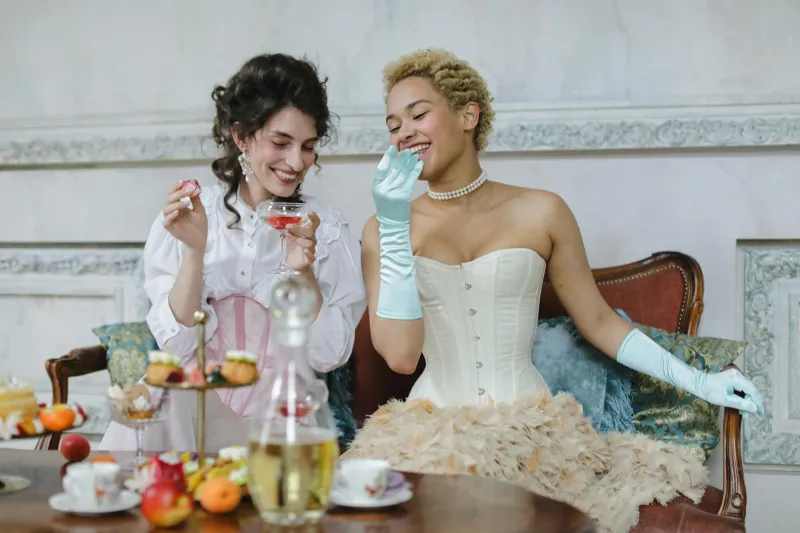
In the elegant salons of 1880s Paris, wealthy guests would gather around ornate tables to play a peculiar game. The host would pose whimsical questions—"What is your favorite flower?" or "What would you like to be?"—and guests would answer in turn, their responses sparking conversation and revealing personality quirks.
It was harmless Victorian entertainment, designed to break social ice and provide amusing dinner conversation. No one imagined that this simple parlor game would eventually become the foundation of a multi-billion-dollar industry built on Americans' endless quest to understand themselves.
The Proust Connection
One frequent participant in these salon games was a young Marcel Proust, the future author of "In Search of Lost Time." Twice during the 1890s, Proust filled out what was then called a "confession album"—a bound book of personal questions that circulated among friends.
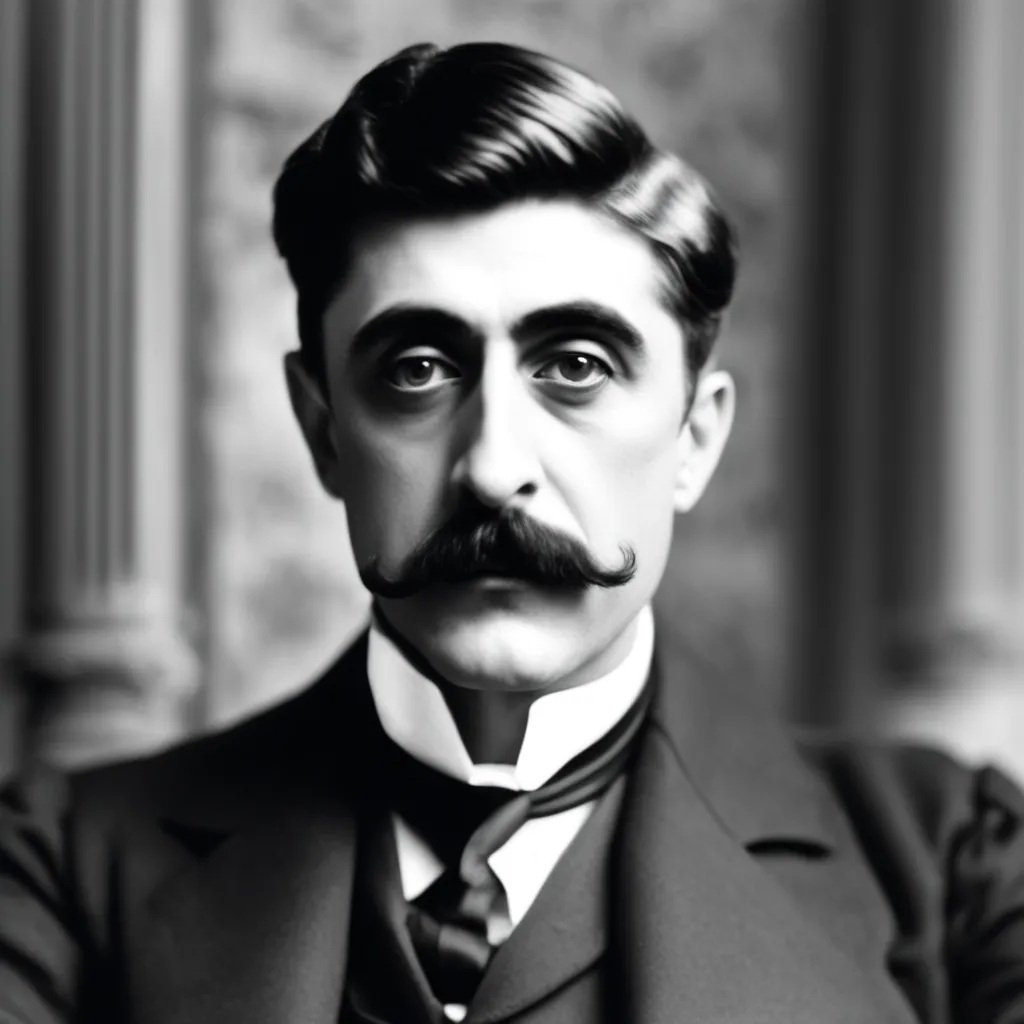 Photo: Marcel Proust, via images.deepai.org
His answers were typical of the era: thoughtful but playful, revealing but not too serious. When asked about his greatest fear, the teenage Proust wrote "To be separated from Mama." His idea of perfect happiness? "To live near all the people I love, with the charms of nature, a quantity of books and musical scores, and not far from a French theater."
These responses lay forgotten in archives for decades until scholars rediscovered them in the 1920s. Suddenly, the silly parlor game had literary credibility, and "The Proust Questionnaire" became a sophisticated tool for psychological exploration.
The Magazine Revolution
American women's magazines of the 1920s and 1930s were looking for content that would engage readers and sell more issues. The personality quiz format, imported from European salons and legitimized by Proust's literary reputation, proved irresistible.
"Ladies' Home Journal" and "Good Housekeeping" began featuring quizzes that promised to reveal everything from marriage compatibility to career aptitude. The format was perfect for magazines: easy to produce, endlessly customizable, and guaranteed to keep readers turning pages to find their results.
By the 1950s, personality quizzes had become a magazine staple. "Cosmopolitan" perfected the formula with provocative titles like "Are You Too Aggressive for Love?" and "What Your Lipstick Color Says About You." The questions grew more sophisticated, but the basic format remained unchanged from those Parisian drawing rooms.
The Psychology Boom
The post-World War II era brought unprecedented interest in psychology and self-analysis. Americans, prosperous and educated as never before, had time and money to spend on understanding themselves. Personality quizzes evolved from entertainment into serious tools for self-discovery.
The Myers-Briggs Type Indicator, developed in the 1940s by a mother-daughter team with no formal psychology training, became the gold standard of personality assessment. Based on Carl Jung's theories but packaged in an accessible format, Myers-Briggs promised to categorize every person into one of 16 distinct types.
 Photo: Myers-Briggs Type Indicator, via c8.alamy.com
Corporations embraced personality testing for hiring and team building. Dating services used compatibility quizzes to match couples. The simple parlor game had become a fundamental part of American culture, touching everything from career decisions to romantic relationships.
The Digital Explosion
The internet transformed personality quizzes from occasional magazine features into an endless stream of instant gratification. Websites like Quizilla and later BuzzFeed discovered that Americans had an apparently infinite appetite for categorizing themselves.
"Which Disney Princess Are You?" "What's Your Spirit Animal?" "Which Friends Character Matches Your Personality?" The questions became more frivolous, but the underlying appeal remained the same: the promise that answering a few simple questions would reveal something meaningful about your identity.
BuzzFeed's quiz empire, built on this foundation, generates millions of clicks daily. The company discovered that personality quizzes are among the most shared content on social media—Americans love not just taking these tests, but broadcasting their results to friends.
The Science of Self-Discovery
Modern personality quizzes range from scientifically rigorous assessments used by psychologists to completely arbitrary entertainment designed purely for social sharing. But they all trace back to that same basic human desire that drove those French salon games: the wish to understand ourselves and our place in the world.
The questions have evolved from "What is your favorite flower?" to "Choose a breakfast food and we'll tell you your biggest personality flaw," but the underlying psychology remains unchanged. We want external validation for our internal sense of self, and we're willing to answer seemingly random questions to get it.
The Endless Quest
Every time you click on a personality quiz—whether it's a serious career assessment or a silly "Which type of pasta are you?" test—you're participating in a tradition that began in French drawing rooms over a century ago. You're seeking the same thing those Victorian party guests wanted: a moment of recognition, a mirror that reflects back something true about who you are.
The format has survived because it taps into something fundamentally human: our endless fascination with ourselves and our need to feel understood. Marcel Proust probably never imagined that his teenage party game responses would inspire a global industry, but then again, the best cultural innovations are usually the ones nobody sees coming.
From Parisian salons to smartphone screens, we're still playing the same game, still hoping the next set of questions will finally reveal the secret of who we really are.