When California Gold Miners Accidentally Created America's Most Democratic Fashion Statement
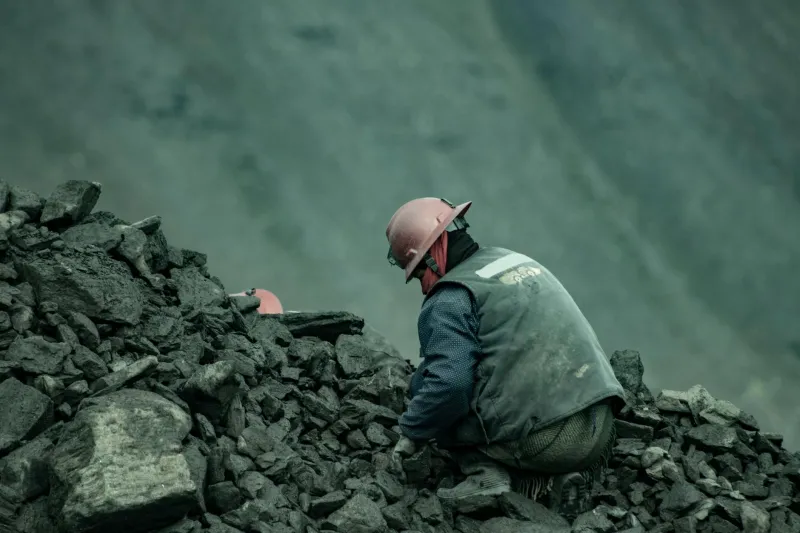
The Problem That Started It All
Picture this: you're knee-deep in California dirt in 1849, searching for gold with nothing but a pickaxe and determination. Your biggest enemy isn't claim jumpers or empty mines—it's your pants. Canvas work trousers split at the seams faster than you could sew them back together, leaving miners literally caught with their pants down.
Jacob Davis, a Nevada tailor, was tired of the constant complaints. His customers—miners, railroad workers, and lumberjacks—kept returning with the same problem: torn pockets and ripped seams from the strain of manual labor. The canvas was tough enough, but the stress points couldn't handle the punishment.
 Photo: Jacob Davis, via www.pnnl.gov
Then Davis had an idea that would accidentally reshape American culture forever.
The Copper Rivet Revolution
In 1872, Davis started reinforcing the stress points of work pants with metal rivets—the same copper fasteners used in horse blankets. The technique worked brilliantly, but Davis faced a problem: he couldn't afford the $68 patent fee (about $1,500 today). So he wrote to his fabric supplier, a Bavarian immigrant named Levi Strauss, with a business proposition.
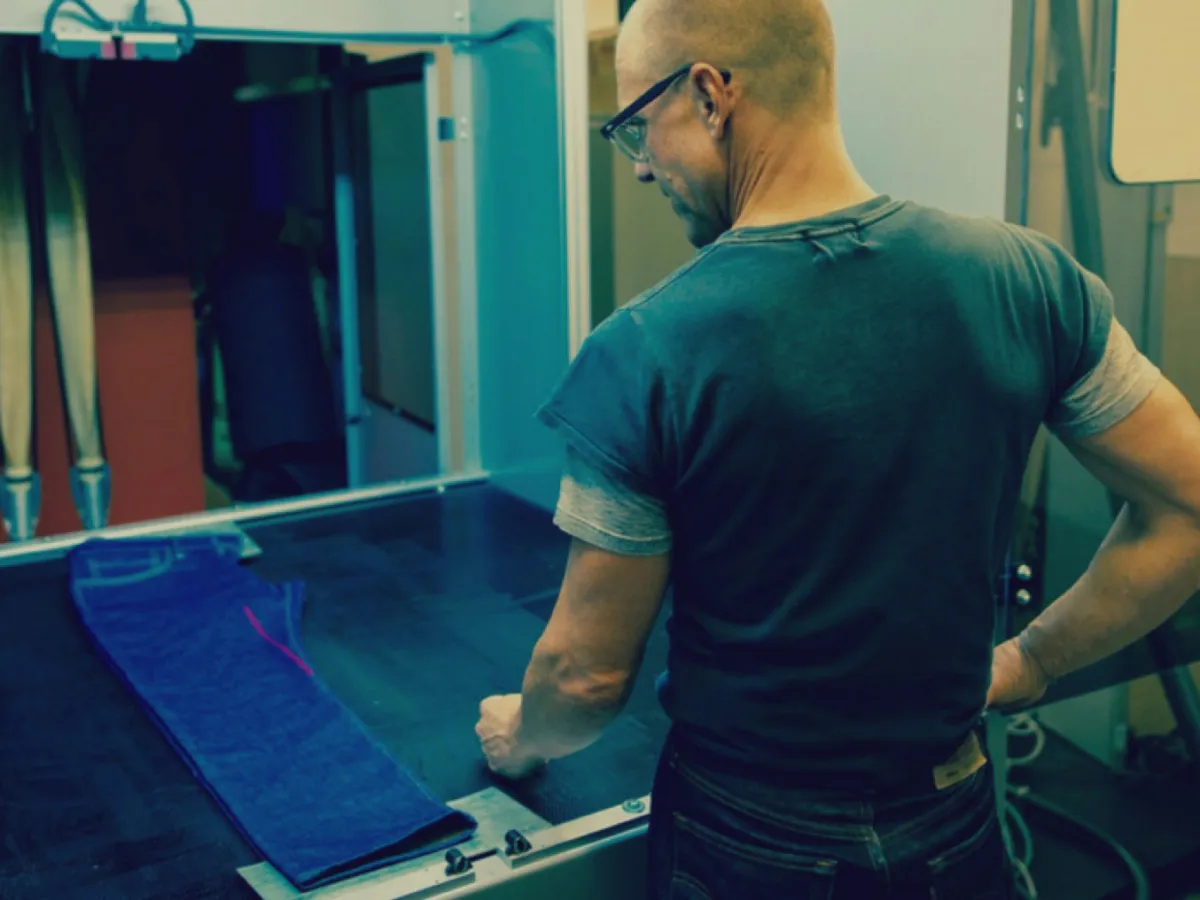 Photo: Levi Strauss, via www.levistrauss.com
Strauss, who had been selling canvas and denim fabric to miners since the Gold Rush began, immediately saw the potential. On May 20, 1873, they received U.S. Patent No. 139,121 for "Improvement in Fastening Pocket-Openings"—the birth certificate of blue jeans.
But here's the twist: these weren't fashion items. They were purely functional workwear, sold exclusively to laborers who needed clothing that wouldn't fall apart. The idea that office workers would one day pay premium prices to wear miner's uniforms would have seemed absurd.
From Worksite to Wardrobe
For the first 70 years, jeans remained stubbornly blue-collar. They were banned from schools, restaurants, and most public spaces as symbols of poverty and manual labor. Middle-class Americans wouldn't be caught dead in them.
World War II changed everything, though not in the way you'd expect.
When the government rationed materials for the war effort, denim became one of the few durable fabrics readily available. Women working in factories—"Rosie the Riveters"—adopted jeans out of necessity. For the first time, denim crossed gender lines and entered mainstream American life.
Meanwhile, Hollywood was quietly building jeans' rebellious reputation. Western movies made cowboys in denim look heroic rather than poor, and by the 1950s, stars like James Dean and Marlon Brando turned jeans into symbols of teenage rebellion.
The Accidental Democracy of Denim
What Davis and Strauss had unknowingly created wasn't just better work pants—it was America's first truly democratic fashion statement. Unlike other clothing that signaled class distinctions, jeans became the great equalizer.
By the 1960s, college students wore them to protest authority. In the 1970s, they moved from campuses to offices during the casual Friday revolution. By the 1980s, designer jeans proved Americans would pay hundreds of dollars for the same basic design that once marked someone as working-class.
Today, the global denim industry generates over $90 billion annually. Americans own an average of seven pairs of jeans, from $20 department store versions to $300 designer labels. The copper rivets are still there—though they're now often decorative rather than functional.
The Miner's Legacy
Every time you pull on a pair of jeans, you're wearing the solution to a 150-year-old problem that had nothing to do with fashion. You're putting on a piece of clothing designed for people who spent their days crawling through mines and digging in dirt, reinforced with techniques borrowed from horse equipment.
The pants that once marked someone as too poor for "proper" clothing became the uniform of American informality. From Silicon Valley executives to suburban teenagers, jeans represent something uniquely American: the idea that practical solutions can accidentally become cultural revolutions.
Jacob Davis just wanted to keep miners' pockets from tearing. He ended up creating the most democratic piece of clothing in human history—one that would eventually be worn by everyone from factory workers to presidents, proving that sometimes the best accidents are the ones that solve the simplest problems.