The Snobbish Hotels That Accidentally Built America's Highway Culture
When Hotels Said No to Cars
In 1925, if you rolled up to a respectable American hotel covered in road dust with a sputtering automobile, you'd likely be turned away at the door. Hotels catered to train passengers—clean, well-dressed travelers who arrived with porters and proper luggage. Motorists, with their grease-stained clothes and unreliable machines, simply didn't fit the image.
This wasn't just inconvenience; it was a cultural clash that would accidentally birth one of America's most enduring traditions.
Arthur Heineman, a California architect, experienced this rejection firsthand during a particularly grueling drive up the coast. Tired, dusty, and repeatedly refused service at traditional hotels, he had an idea that would reshape how Americans travel forever.
 Photo: Arthur Heineman, via images.justwatch.com
The Birth of the "Mo-Tel"
In 1925, Heineman opened the Milestone Mo-Tel in San Luis Obispo, California. The name combined "motor" and "hotel," and the concept was revolutionary: individual cabins arranged around a parking court, designed specifically for automobile travelers.
 Photo: San Luis Obispo, via takaramodel.com
Each cabin had its own entrance and parking space directly outside the door. No bellhops, no formal check-in procedures, no judgment about your dusty appearance. You could park, sleep, and leave without ever feeling like you didn't belong.
The timing was perfect. Henry Ford's assembly line had made cars affordable for middle-class Americans, but the infrastructure to support them barely existed. Paved roads were rare, gas stations were scarce, and now Heineman had solved the lodging problem too.
The Highway Revolution
What started as one man's solution to hotel snobbery spread across America like wildfire. By the 1930s, motor courts and tourist cabins dotted highways from coast to coast. Each one was slightly different—some were elaborate themed villages, others were simple cinder-block rooms—but they all shared Heineman's core innovation: accommodation designed around the automobile.
The Great Depression actually helped the concept grow. Motels were cheaper to build than hotels and attracted budget-conscious travelers. Families could pack the car and explore America without worrying about whether they'd find a place to stay.
Then came World War II, and everything changed again.
The Interstate Explosion
Post-war prosperity and the 1956 Interstate Highway Act transformed motels from quirky roadside curiosities into essential American infrastructure. The new superhighways bypassed downtown areas where traditional hotels clustered, creating perfect opportunities for motel chains along the new routes.
Holiday Inn, founded by Kemmons Wilson in 1952, standardized the motel experience. Wilson had experienced the same frustrations as Heineman—unpredictable quality and unwelcoming attitudes during family road trips—and decided consistency was the answer.
By the 1960s, franchised motel chains offered identical experiences from Maine to California. The same orange and green Holiday Inn sign, the same room layouts, the same amenities. American families could drive across the country and never encounter an unpleasant surprise.
The Cultural Revolution
Motels didn't just change where Americans slept—they transformed how Americans thought about travel itself. Before motels, long-distance travel required careful planning around train schedules and hotel reservations. Motels made spontaneous adventure possible.
The family road trip became an American rite of passage. Parents could pack the kids in the station wagon and head for the Grand Canyon or Yellowstone, confident they'd find affordable lodging along the way. Motels democratized American tourism, making it accessible to families who couldn't afford luxury hotels.
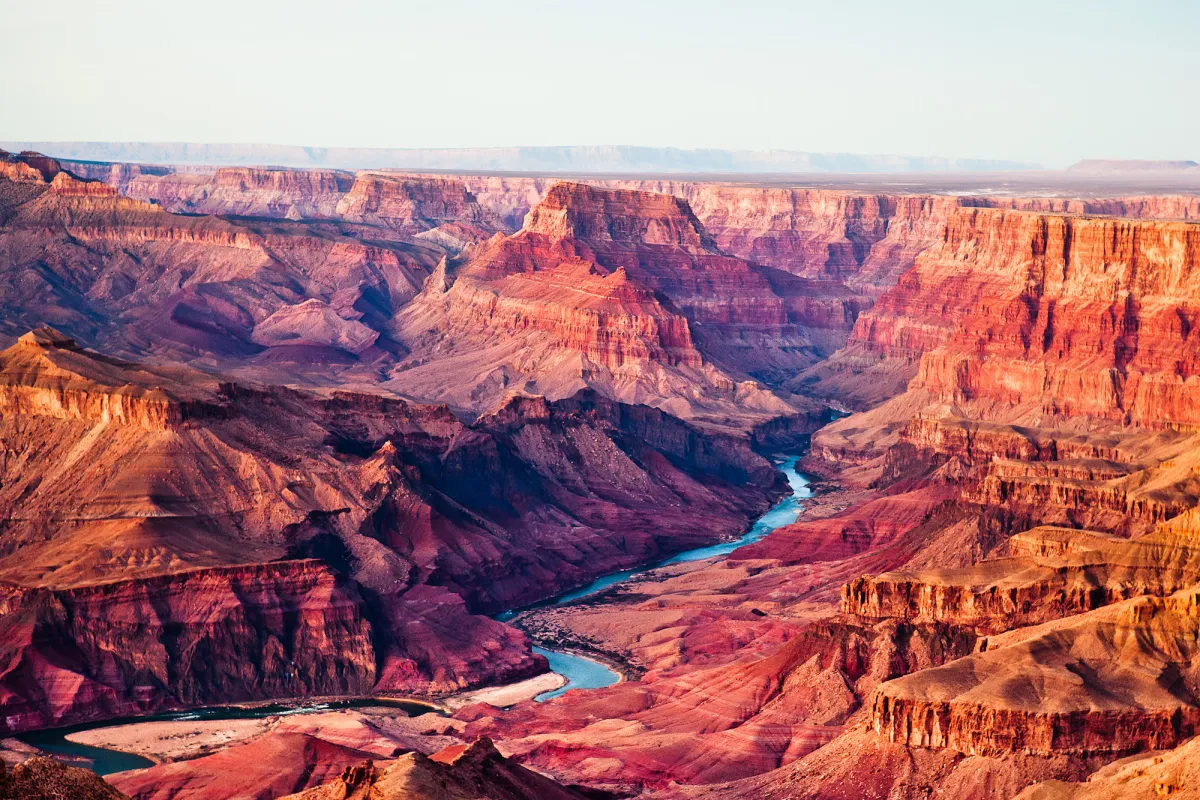 Photo: Grand Canyon, via images6.alphacoders.com
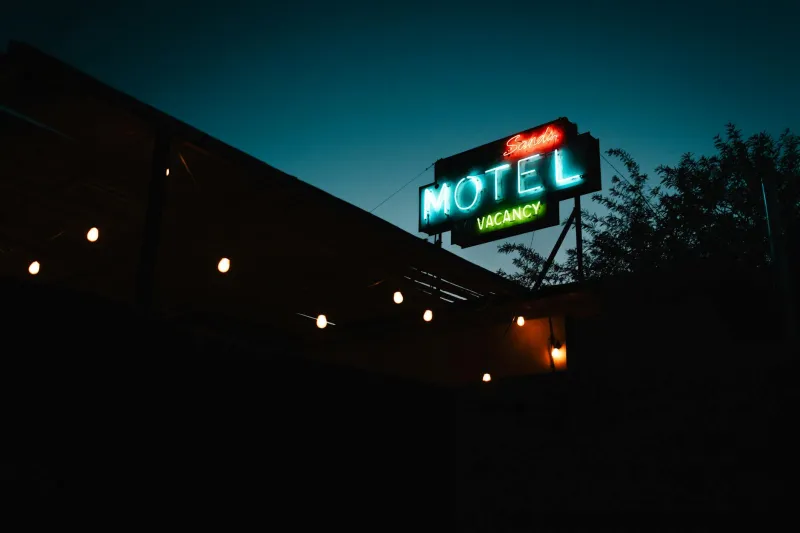
Teenagers embraced motels as symbols of freedom and rebellion. Movies and music celebrated the romance of the open road, always featuring that iconic neon motel sign glowing against the desert sky.
The Unintended Legacy
Today, the American road trip remains a cultural touchstone, from family vacations to college spring breaks to Route 66 nostalgia tours. The motel industry has evolved—many independent motels have been replaced by chain hotels—but the core concept Heineman invented remains unchanged: lodging built around the automobile and the freedom it represents.
Every time you book a roadside hotel online, every time you park directly outside your room door, every time you take a spontaneous weekend drive knowing you'll find a place to stay, you're participating in a tradition that began because fancy hotels in the 1920s thought car travelers were beneath them.
From Rejection to Revolution
The next time you pull into a motel parking lot after a long day of driving, remember that you're not just getting a room for the night. You're participating in a uniquely American form of hospitality that exists only because the "proper" hotels of a century ago couldn't see past the dust on a traveler's clothes.
Arthur Heineman just wanted a clean place to sleep after driving his car. He accidentally invented the infrastructure that would make America the most mobile society in human history, proving that sometimes the best innovations come from being told "no" by people who should have known better.