Why the U.S. Government Decided Red Lipstick Was a Weapon Worth Keeping
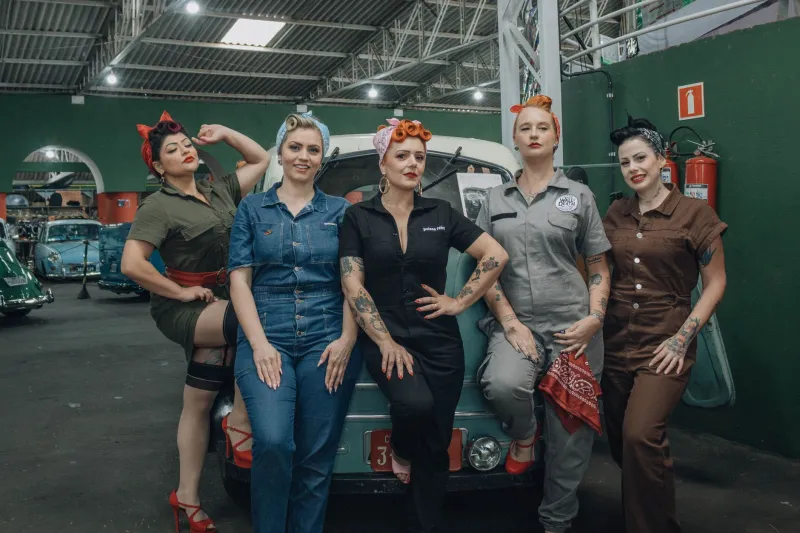
There's a particular shade of red that has appeared on American women's lips across more than eighty years of photographs, films, protests, and magazine covers. It shows up in 1940s factory portraits, on suffragettes before that, on musicians and politicians and astronauts since. It is, by any reasonable measure, the most culturally durable cosmetic choice in American history. And it got there partly because of a wartime bureaucratic decision made in Washington, D.C., sometime around 1942.
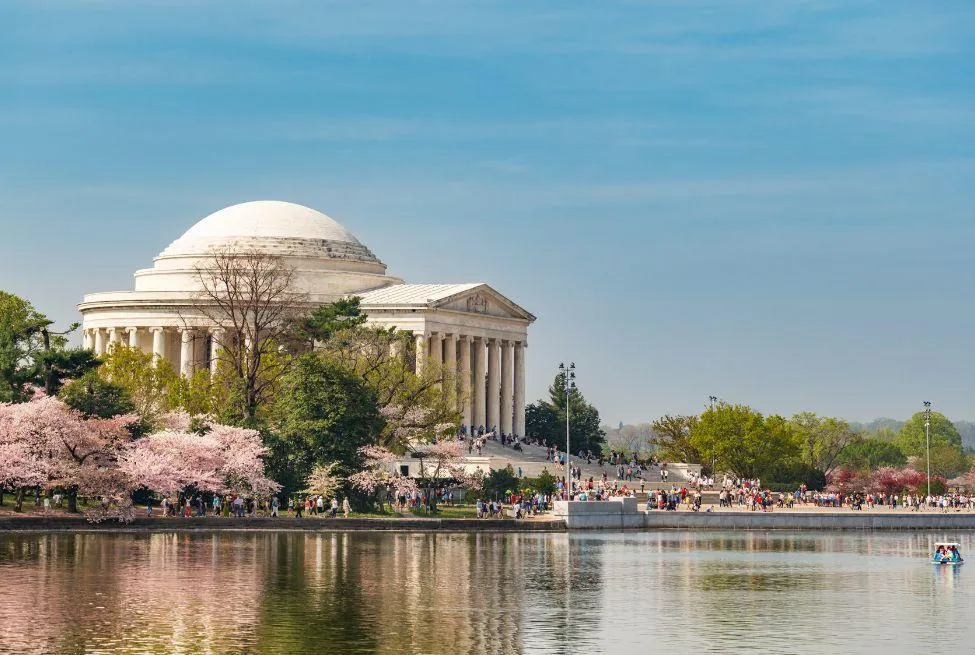 Photo: Washington, D.C., via media.tacdn.com
The story of how red lipstick became an American icon is not really a beauty story. It's a story about propaganda, corporate opportunism, and one of the more unusual ways a government has ever tried to keep civilian morale from collapsing during a war.
Before the War, Lipstick Was Already Complicated
Red lip color has a history stretching back thousands of years — ancient Egyptians used crushed beetles and iron ore, Elizabethan England associated it with status, and Victorian America considered it faintly scandalous. By the early 20th century, the growing cosmetics industry had turned lipstick into a mainstream product, but it still carried a complicated social charge. Wearing obvious makeup was associated, depending on who you asked, with modernity, independence, moral looseness, or all three simultaneously.
The suffragette movement had already begun reclaiming red lips as a deliberate political gesture. When women marched for the right to vote in the early 1900s, some wore red lipstick specifically because conservative opponents found it shocking. The cosmetic became a small act of visible defiance — a way of saying that women could control their own appearance regardless of what anyone else thought about it.
By the time the 1930s rolled around, lipstick sales were climbing even through the Depression. Economists later identified what became known as the "lipstick effect" — the observed tendency for cosmetics sales to rise during economic downturns, as consumers substitute small, affordable luxuries for larger ones they can no longer afford. Lipstick was cheap enough to buy when almost nothing else was, and it made women feel put-together during years when everything felt like it was falling apart.
All of that set the stage for what happened when the war began.
Washington Makes a Calculated Choice
After Pearl Harbor, the U.S. government moved quickly to establish rationing programs across dozens of consumer categories. Rubber, nylon, silk, gasoline, meat, canned goods, and sugar all came under restriction. The War Production Board made decisions about what the country could and couldn't consume based on military necessity and industrial supply chains.
Lipstick survived the cut — but not by accident.
Government officials and military advisors were acutely aware of the morale problem that a long war would create on the home front. Women were being asked to take on factory work, manage households without their husbands, deal with rationing, and absorb a constant stream of casualty reports. Keeping civilian morale stable wasn't just a humanitarian concern; it was a strategic one. A demoralized home front produced fewer weapons, bought fewer war bonds, and generated more political pressure to end the conflict.
Cosmetics — lipstick in particular — were identified as a low-cost morale tool. They required no strategic materials. They were already part of women's daily routines. And they carried a visual message: a woman in red lipstick looked composed, purposeful, and defiant. That image was useful.
Eleanor Roosevelt and the Politics of Getting Dressed
No single figure did more to cement the wartime meaning of red lipstick than Eleanor Roosevelt, who wore it consistently throughout the war years and was photographed doing so at factory visits, military hospitals, and public events.
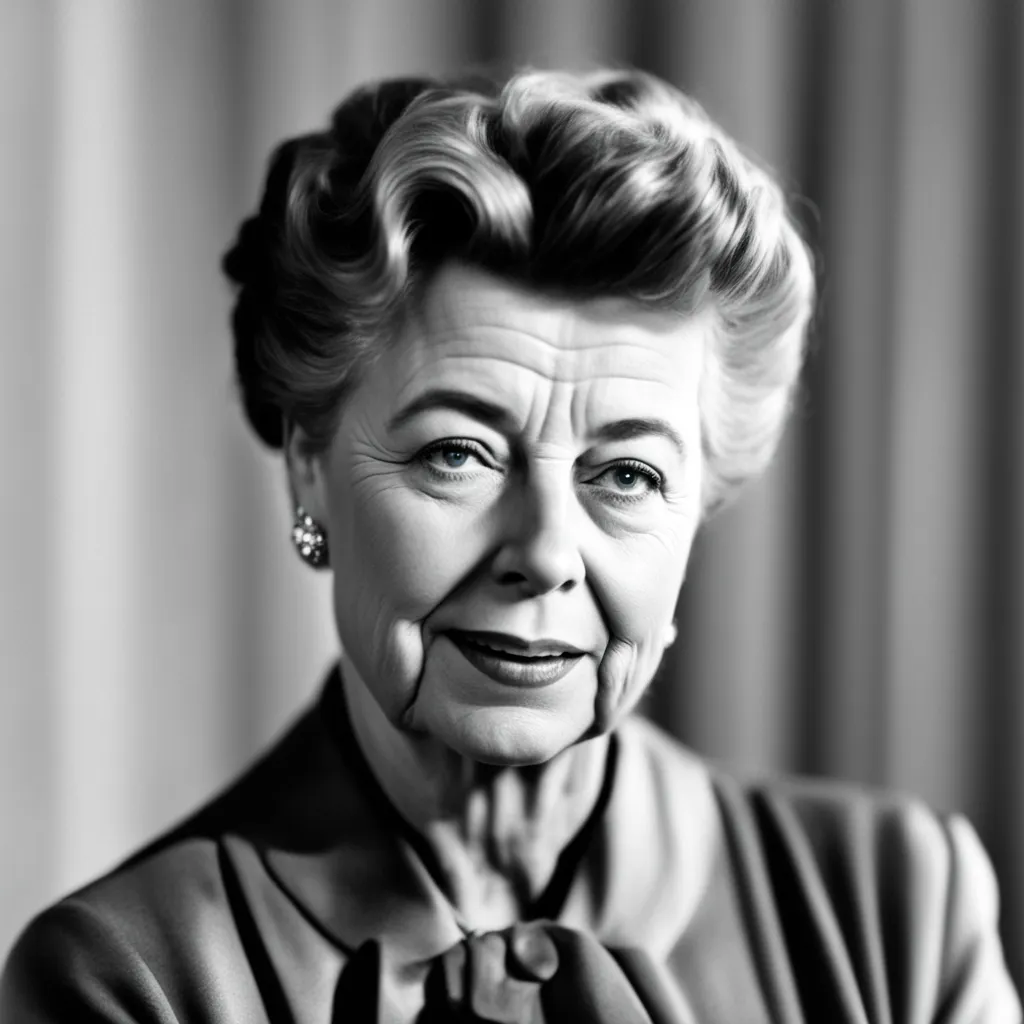 Photo: Eleanor Roosevelt, via images.deepai.org
Roosevelt was not making a fashion statement. She was making a political one. Her visibility in industrial settings — showing up at shipyards and munitions plants to acknowledge the women working there — gave her appearance real symbolic weight. When the First Lady showed up in a hard hat and red lipstick, she was communicating something specific: that femininity and contribution to the war effort were not in conflict. You could do both. You should do both.
The War Department eventually made this connection explicit. The Army and Navy both issued guidance suggesting that female personnel and civilian defense workers maintain grooming standards, including cosmetics. Several branches specified shades. The Navy's WAVES program famously contracted with a cosmetics company to develop an official lipstick color — Montezuma Red — to match their uniforms. Putting on red lipstick, for American women during World War II, became an act that the government had quietly classified as patriotic.
The Cosmetics Industry Saw Its Moment
Companies like Revlon, Tangee, and Helena Rubinstein were paying close attention to all of this, and they moved with impressive speed to align their marketing with the wartime narrative.
Tangee ran one of the most famous campaigns of the era — a 1941 ad titled "War, Women, and Lipstick" that argued directly that wearing lipstick was a statement of American values. The copy read, in part, that American women's insistence on beauty even in wartime was proof of "the precious right of women to be feminine and lovely under any circumstances." It was savvy framing: the ad made buying lipstick feel like an ideological act rather than a consumer one.
Revlon, meanwhile, was expanding its color range and leaning into the red end of the spectrum with names that carried patriotic overtones. The cosmetics industry had stumbled into a remarkable marketing environment where the government was effectively endorsing their product category, and they made the most of it.
What Outlasted the War
When the war ended in 1945, rationing wound down, the soldiers came home, and American consumer culture shifted rapidly. But red lipstick didn't go back to being just makeup.
It had spent four years accumulating meaning. It meant strength. It meant normalcy under pressure. It meant that femininity wasn't fragility. Those associations didn't dissolve when the factories stopped making bombers. They got absorbed into the broader cultural vocabulary and passed forward.
The 1950s painted it as glamour — Marilyn Monroe, Audrey Hepburn, Elizabeth Taylor. The 1970s and 1980s punk and new wave scenes reclaimed its defiant edge. The 1990s made it ironic. The 2000s made it political again. Every generation has found something different to say with it, which is exactly what happens when an object accumulates enough cultural layers to mean almost anything.
 Photo: Marilyn Monroe, via rss.cardiffnewsonline.com
All of that started, in a meaningful way, with a wartime bureaucrat looking at a list of rationed goods and deciding that this one small luxury was worth more to the country as a symbol than as a sacrifice. It was a practical calculation. It turned out to be an accidental act of myth-making.
The tube of red lipstick you might have in a drawer somewhere has a longer history than it looks.