He Called It a Doll. The Toy Industry Called It Suicide. Then 350 Million Kids Proved Everyone Wrong.
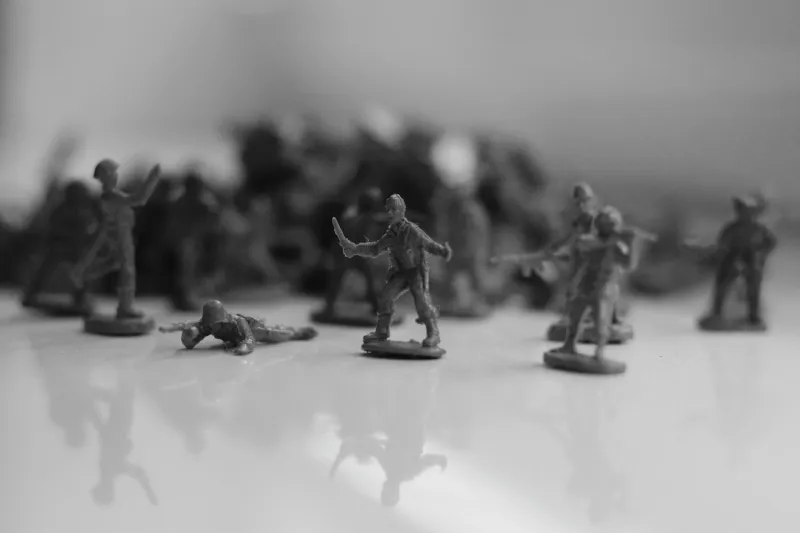
Walk down any toy aisle in America and you'll find them stacked floor to ceiling: action figures. Superheroes, soldiers, movie characters, wrestlers. They're so embedded in the landscape of American childhood that it's almost impossible to imagine a time when they didn't exist.
But here's the thing — that time wasn't very long ago. And the reason action figures exist at all comes down to a dare, a word invented purely out of panic, and a toy company that almost said no.
The Dare That Started Everything
In 1963, a television producer named Stan Weston had an idea. He was watching the runaway success of Barbie — Mattel had launched the doll in 1959 and it was already reshaping American retail — and he started wondering whether the same concept could work for boys. Not a fashion doll, obviously. A soldier. A movable, poseable military figure with accessories and gear.
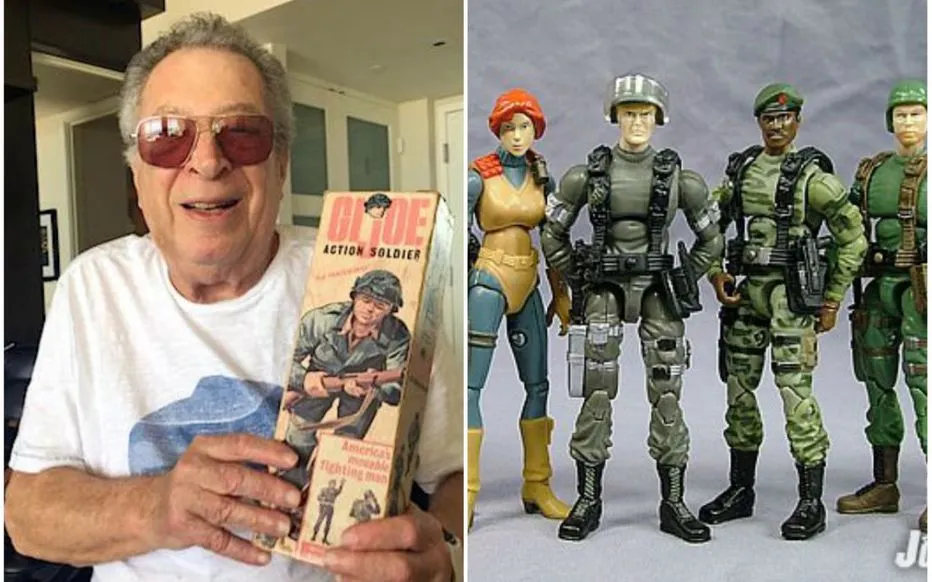 Photo: Stan Weston, via www.leparisien.fr
Weston pitched the concept to Hasbro, which at the time was a mid-sized toy company based in Pawtucket, Rhode Island, mostly known for Mr. Potato Head. The reception was not exactly warm. The toy industry had an iron rule: boys don't play with dolls. It wasn't just a preference — it was considered a commercial law of nature. Retailers believed that any toy marketed to boys that looked remotely like a doll would sit unsold on shelves until it was eventually clearanced into oblivion.
Hasbro's own research team reportedly came back with the same verdict. The idea was too risky. The market simply wasn't there.
But one executive, Don Levine, couldn't let it go.
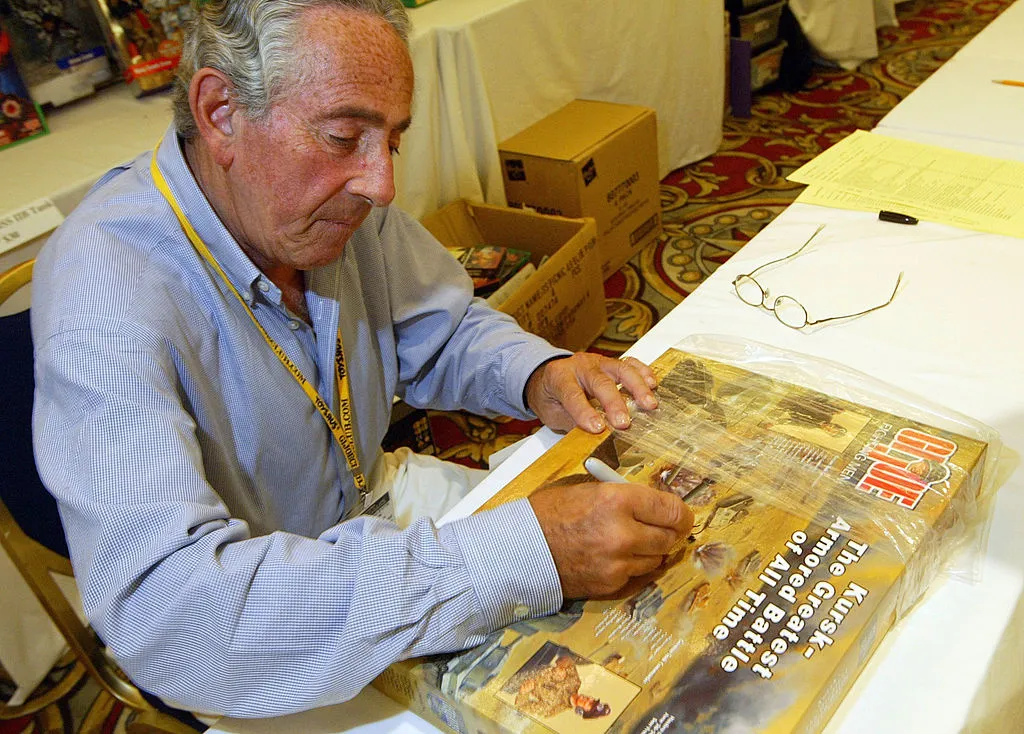 Photo: Don Levine, via d.itechpost.com
The Word That Changed Everything
Levine saw something in Weston's concept that the skeptics missed. Boys absolutely played with toy soldiers — they just played with small, static, cheap plastic ones. What if you gave them a fully articulated, nearly foot-tall figure with realistic military equipment? Not a doll. Something different.
The problem was language. You couldn't put the word "doll" anywhere near this product, or the entire retail channel would reject it before a single child ever saw it. So Levine and his team did something quietly brilliant: they invented a new category.
They called it an action figure.
Two words that had never been paired in a toy context before. Words that sounded active, dynamic, and unmistakably masculine. The figure didn't sit passively like a doll — it acted. It was a small linguistic sleight of hand, but it was enough to get the product past the gatekeepers.
G.I. Joe launched in February 1964 at the American International Toy Fair in New York. Hasbro had invested heavily in the product — the tooling alone cost around $100,000, a serious gamble for the company at the time. They priced it at around $2.49 at retail, which was considered steep for a toy.
The first year, Hasbro sold roughly $16.9 million worth of G.I. Joe.
A New Kind of Childhood
What made G.I. Joe genuinely revolutionary wasn't just the figure itself — it was the ecosystem around it. Hasbro sold the figure at a price point that made it accessible, then generated the real revenue from accessories: jeeps, helicopters, weapons sets, uniforms, footlockers. It was a business model that looked a lot like what Mattel was doing with Barbie's wardrobe and Dream House.
Children weren't just buying a toy. They were buying into a world that could always be expanded. Parents who balked at spending $2.49 on a single item would end up spending five times that over a holiday season on gear and vehicles.
The timing was also significant. America in 1964 was still riding a wave of post-World War II military pride. The space race was at full tilt. Boys were growing up surrounded by cultural messaging about soldiers, astronauts, and explorers. G.I. Joe slotted directly into that moment.
By 1965, it was the best-selling toy in America.
The Ripple Effect Nobody Planned
Here's where the story gets bigger than one toy company's success. Once G.I. Joe proved that boys would absolutely buy articulated figures — as long as you called them the right thing — every other manufacturer in the industry took notice.
The concept that followed was the superhero figure. Then the movie tie-in figure. Then the collectible figure. The entire modern architecture of franchise merchandise — the thing that makes every Marvel movie, every Star Wars release, every major animated series automatically generate a toy line — traces its commercial logic back to that 1964 launch.
George Lucas famously retained the merchandising rights to Star Wars in his 1977 deal with 20th Century Fox, a decision that the studio considered almost worthless at the time. Lucas had been paying attention to what G.I. Joe had demonstrated about the relationship between storytelling and toy sales. The result made him a billionaire.
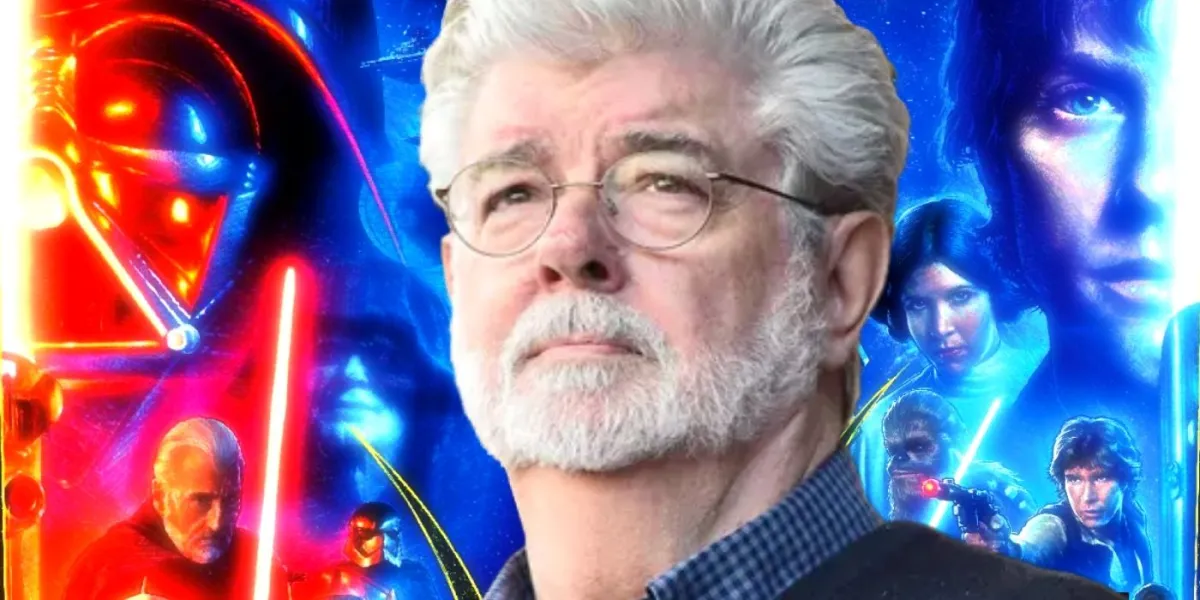 Photo: George Lucas, via static1.srcdn.com
Every superhero figure on a shelf today, every video game character rendered in plastic, every collector's edition statue — they all exist because Don Levine looked at a pitch the industry called suicidal and decided the real problem was just finding the right word.
The Soldier Comes Home
G.I. Joe itself had a complicated journey after its peak. Sales declined sharply in the early 1970s as the Vietnam War made military toys culturally awkward. Hasbro pivoted toward adventure themes — astronauts, deep-sea divers — and eventually relaunched the line in 1982 as a smaller-scale team of specialized operatives, which became the iconic cartoon-and-comic franchise that defined an entirely new generation's childhood.
But the original insight never changed. The idea that boys could form the same kind of imaginative attachment to a poseable figure that girls formed with Barbie — that childhood play wasn't as rigidly gendered as retailers assumed — turned out to be worth a lot more than anyone in 1963 was willing to bet.
All it took was one executive who believed in the concept, and two words nobody had ever put together before.
Next time you see an action figure on a shelf, you're looking at the direct descendant of a dare that almost never got made.