The Quack Doctor's Gadget That Accidentally Invented American Self-Help

The Quack Doctor's Gadget That Accidentally Invented American Self-Help
Walk down any Target aisle today and you'll find weighted blankets, guided meditation apps, ergonomic foam rollers, and enough adaptogens to sedate a small horse. The American self-help industry is worth somewhere north of $13 billion a year, and that number keeps climbing. But almost nobody asks the obvious question: where did this whole thing actually start?
The answer involves a failed inventor, a pile of rejected patent applications, and a medical establishment that wanted absolutely nothing to do with any of it.
The Machine That Promised Everything
In the 1880s, a wave of inventors across the United States and Europe became fascinated with vibration as a medical therapy. The reasoning, such as it was, went something like this: the body is a machine, machines respond to stimulation, therefore stimulating the body mechanically must produce health benefits. It was the kind of logic that sounded almost convincing if you said it quickly enough.
Doctors of the era were already experimenting with electrical stimulation and hydrotherapy, so mechanical vibration didn't seem entirely outlandish. Several inventors rushed to patent hand-cranked and later electrically powered devices, pitching them to physicians as legitimate therapeutic tools for treating everything from headaches to "nervous exhaustion" — a catch-all Victorian diagnosis that basically meant feeling bad in a way nobody could quite explain.
The medical community was skeptical. Most practitioners who bothered to evaluate these devices found the therapeutic claims vague, the mechanisms unproven, and the inventors themselves less than credible. Patent applications were filed, reviewed, and quietly shelved. The medical establishment moved on.
But the inventors didn't.
When the Doctors Said No, They Found Someone Who'd Say Yes
Here's where the story takes its crucial turn. Blocked from the professional medical market, several manufacturers of these devices made a decision that would echo through American culture for the next century and a half. They stopped selling to doctors and started selling directly to consumers.
The pitch shifted almost immediately. Instead of clinical language about therapeutic efficacy, the new marketing spoke the language of personal empowerment. These devices, the advertisements now claimed, could help you take control of your own health. You didn't need a physician's approval. You didn't need anyone's permission. You just needed to invest in yourself.
Catalogs from the 1890s and early 1900s are full of these devices, sold alongside patent medicines and tonic waters, all promising the same essential thing: that ordinary Americans could improve their own lives through the right product. The framing was revolutionary. Before this moment, health and wellness were largely understood as things that happened to you, managed by professionals. The new message was that wellness was something you pursued, actively, on your own terms.
That idea — that self-improvement is both possible and your personal responsibility — is the bedrock of every self-help book, motivational seminar, and wellness subscription box that followed.
The Lecture Circuit Picks Up the Thread
The consumer wellness gadget market of the late 19th century didn't exist in isolation. It ran parallel to another booming American industry: the self-improvement lecture circuit.
Figures like Orison Swett Marden, who founded Success magazine in 1897, were telling Americans that personal willpower and the right habits could transform any life. These ideas blended seamlessly with the product-driven wellness market. Buy the right device, read the right book, attend the right lecture — and you could engineer a better version of yourself.
 Photo: Orison Swett Marden, via m.media-amazon.com
By the time Dale Carnegie published How to Win Friends and Influence People in 1936, the infrastructure was already in place. Carnegie didn't invent American self-help. He inherited a culture that had been primed for decades by the failure of those early medical gadgets to find a professional audience. The doctors' rejection had pushed the whole enterprise into the consumer market, where it found something far more powerful than clinical credibility: it found aspiration.
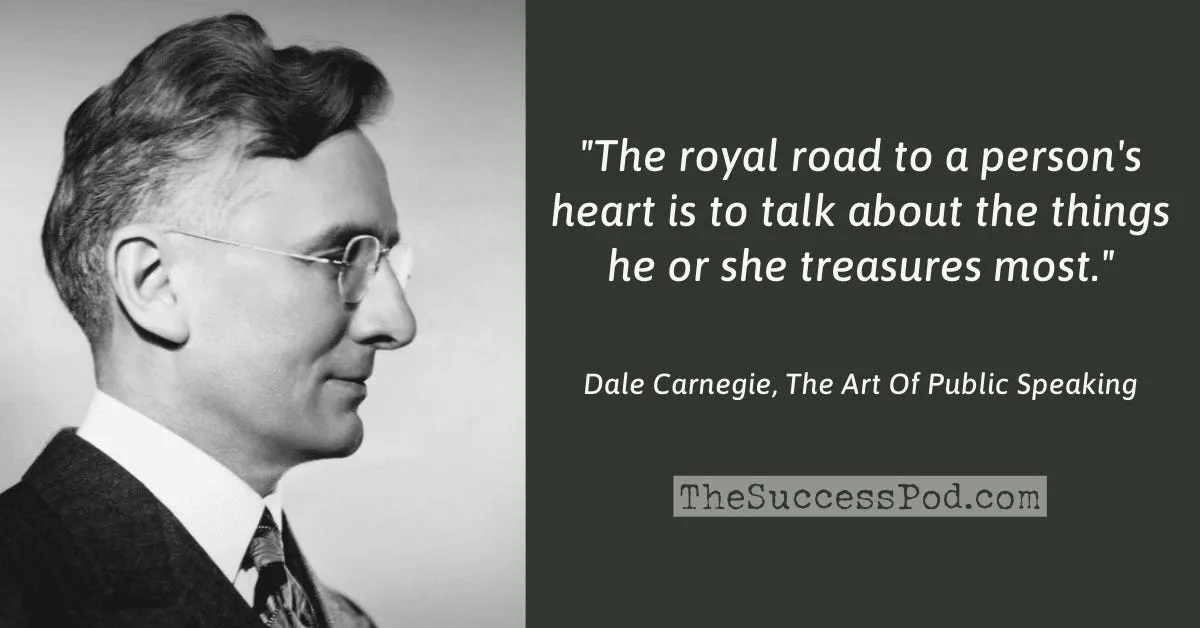 Photo: Dale Carnegie, via substackcdn.com
From Snake Oil to the Wellness Aisle
The line from Victorian vibrating devices to the modern self-help industry isn't perfectly straight, but it's remarkably consistent in its logic. Each generation repackages the same core promise — that you can improve yourself through the right tool, technique, or knowledge — in the language of its own moment.
The 1950s gave us Norman Vincent Peale and the power of positive thinking. The 1980s gave us Tony Robbins walking on hot coals and telling stadium audiences they were capable of anything. The 2000s gave us The Secret and the law of attraction. Today, it's biohacking, cold plunges, and $40 supplements with names that sound like pharmaceutical drugs.
 Photo: Tony Robbins, via facts.net
Every single one of these movements carries the same DNA as those rejected patent applications from the 1880s: the belief that self-improvement is a product, that it can be purchased or practiced, and that the responsibility for your own wellness belongs entirely to you.
Why This History Actually Matters
There's something worth sitting with here. The commercialization of personal wellness didn't begin because someone had a great idea about human potential. It began because a group of inventors couldn't sell their products to professionals and needed a new market.
The entire framing of self-improvement as a consumer activity — something you buy into, literally — was born from a business problem, not a philosophical breakthrough. That context doesn't make the industry worthless. Plenty of people have found genuine value in therapy, fitness routines, meditation, and yes, even the occasional motivational book.
But it does explain why the American self-help industry always seems to be selling you something. That wasn't an accident. From the very beginning, that was the whole point.
Next time you're standing in the wellness aisle trying to decide between two nearly identical magnesium supplements, spare a thought for the frustrated Victorian inventor who couldn't get a single doctor to return his calls. In a way, he built the aisle you're standing in.