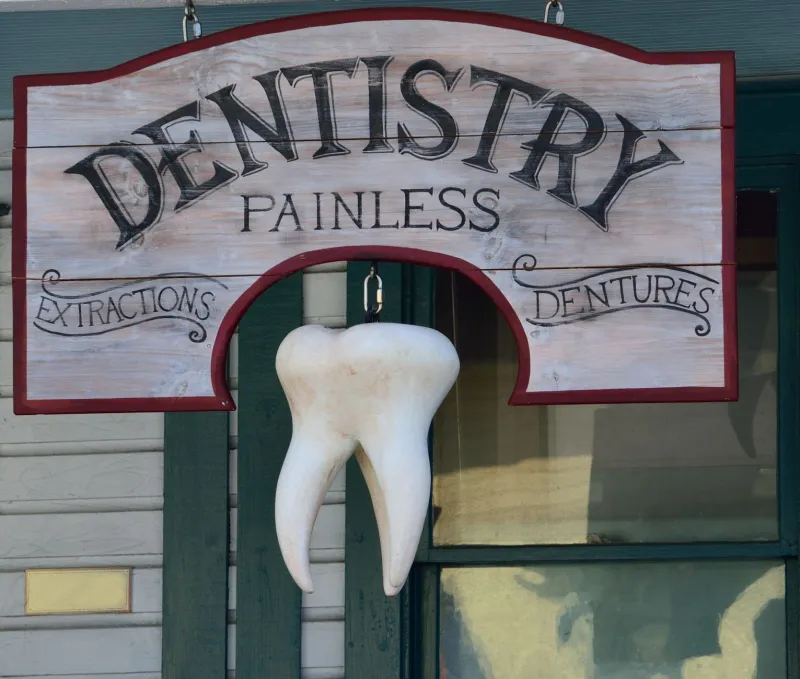
The Glowing Ingredient That Was Killing Americans Before Anyone Checked What Was in Their Toothpaste
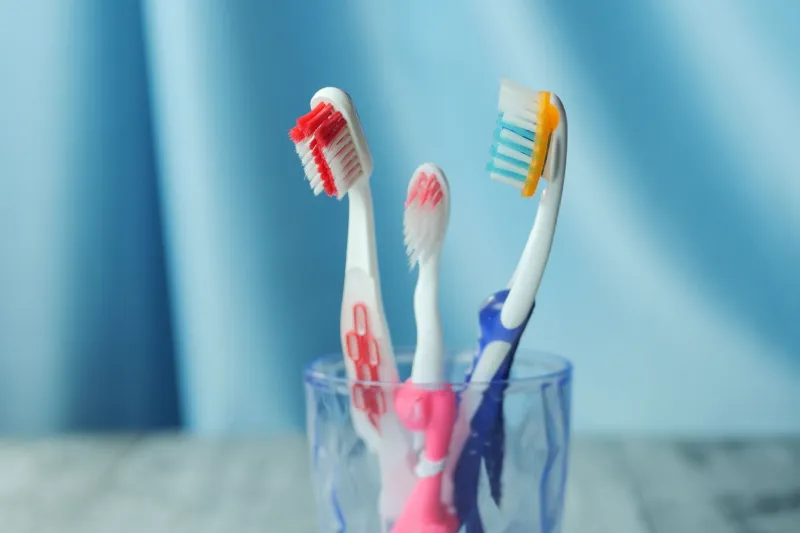
Twice a day, every day, most Americans press a ribbon of toothpaste onto a brush and stick it in their mouth without a second thought. The ingredients list is there on the tube, regulated down to the parts per million, overseen by a federal agency with the power to pull any product off shelves overnight. That system feels permanent, almost obvious. It isn't. For most of American history, nobody was checking. And the story of how that changed involves a radioactive element, a wave of preventable deaths, and an industry that had been quietly poisoning its customers while advertising itself as the picture of modern health.
Before Safety Was Anyone's Job
In the early twentieth century, the personal care industry operated in something close to a legal vacuum. The Pure Food and Drug Act of 1906 had put some guardrails around food and medicine, but cosmetics and hygiene products — toothpaste included — sat in a murky middle ground where almost no federal oversight applied. Manufacturers were largely free to use whatever ingredients they liked, make whatever health claims they wanted, and sell to a public that had no particular reason to question them.
Radium was discovered by Marie Curie in 1898, and within a decade it had become one of the most fashionable ingredients in consumer culture. The element glowed. It felt energetic. Scientists were still working out exactly what radiation did to the human body, and in the meantime, marketers filled the gap with enthusiasm. Radium-infused water, face creams, chocolate, and yes — toothpaste — flooded the American market between roughly 1910 and the late 1930s. The pitch was consistent: radioactivity was vitality. Glowing meant alive.
Products like Doramad Radioactive Toothpaste, produced in Germany but widely distributed and imitated, promised whiter teeth, healthier gums, and a kind of cellular vigor that regular toothpaste couldn't deliver. American companies launched their own versions, leaning on the same pseudoscientific language. Nobody in any regulatory body was required to verify those claims — or even to check whether the ingredient was dangerous.
The Scandal That Forced a Reckoning
The warning signs had been building for years. The most famous case was the Radium Girls — factory workers in New Jersey and Illinois who painted watch dials with radium-based paint through the 1920s and were encouraged to point their brushes with their lips. They developed catastrophic bone cancers and radiation sickness. Their legal battles through the late 1920s and 1930s generated headlines, but the consumer products industry largely escaped scrutiny. People understood that factory exposure was dangerous. They were slower to connect that logic to what sat on their bathroom shelf.
By the late 1940s and into the 1950s, the picture was becoming impossible to ignore. Researchers studying radiation exposure in the wake of the atomic bomb program began publishing data on what even low-level, repeated exposure to radioactive materials could do to soft tissue, bone marrow, and the mouth and throat — precisely the areas most affected by a toothpaste used twice daily. The contamination wasn't always dramatic. It was cumulative. It was quiet. And it had been happening for decades.
The 1950s also brought a more specific scandal: a series of consumer product investigations revealed that certain toothpastes and oral rinses still on the American market contained measurable radioactive content at levels researchers considered genuinely hazardous. The products weren't fringe items sold in back-alley catalogs. They were on drugstore shelves, in family medicine cabinets, being handed to children.
How a Toothpaste Became a Federal Case
The political fallout moved faster than most regulatory shifts in American history, partly because the timing was impossible. The country was already gripped by atomic anxiety — duck-and-cover drills, backyard bomb shelters, the looming shadow of nuclear war. Telling Americans that radioactive material was also in their Colgate routine hit a particular nerve.
Congress passed the Cosmetic, Toiletry, and Fragrance Act amendments in stages through the 1950s and into the 1960s, but the more transformative shift was administrative. The FDA, which had existed in various forms since 1906 but had relatively limited jurisdiction over personal care products, was granted expanded authority to require ingredient disclosure, mandate safety testing before products reached shelves, and pull items from the market when evidence of harm emerged. Toothpaste, mouthwash, and related products were reclassified in ways that brought them firmly under federal oversight.
The radioactive toothpaste era ended not with a single dramatic recall but with a gradual tightening of rules that made it impossible for manufacturers to keep using ingredients without proving they were safe. That proof requirement — so basic it seems self-evident now — was genuinely new.
What the Tube on Your Sink Actually Represents
Modern toothpaste is one of the most regulated consumer products in the United States. The fluoride content is specified by federal guidelines. The abrasive compounds are tested against enamel wear standards. Health claims — cavity prevention, sensitivity relief, whitening — must be backed by clinical evidence reviewed by the FDA before they appear on packaging. The agency can and does reject formulations, demand reformulation, and monitor post-market safety data.
None of that framework was inevitable. It was built in response to a crisis that emerged because nobody had built it sooner.
The next time you glance at the back of your toothpaste tube and see that dense column of ingredients — sodium fluoride, hydrated silica, sorbitol, carrageenan — understand that every name on that list exists because at some point, something unnamed caused real harm. The regulation isn't bureaucratic friction. It's the residue of a lesson that cost people their health to learn.
Something you use without thinking, twice a day, every day, carries that history in it. Most of the things we trust most completely are the ones that earned that trust the hardest way.